One New Lesson Each Year - 11 Lessons for You
Sep 07, 2026I am 41 years old, and I started painting when I was 30. That's 11 years of watercolor under my belt.
So today, I'm going to share with you 11 essential lessons I've learned that have transformed my paintings.
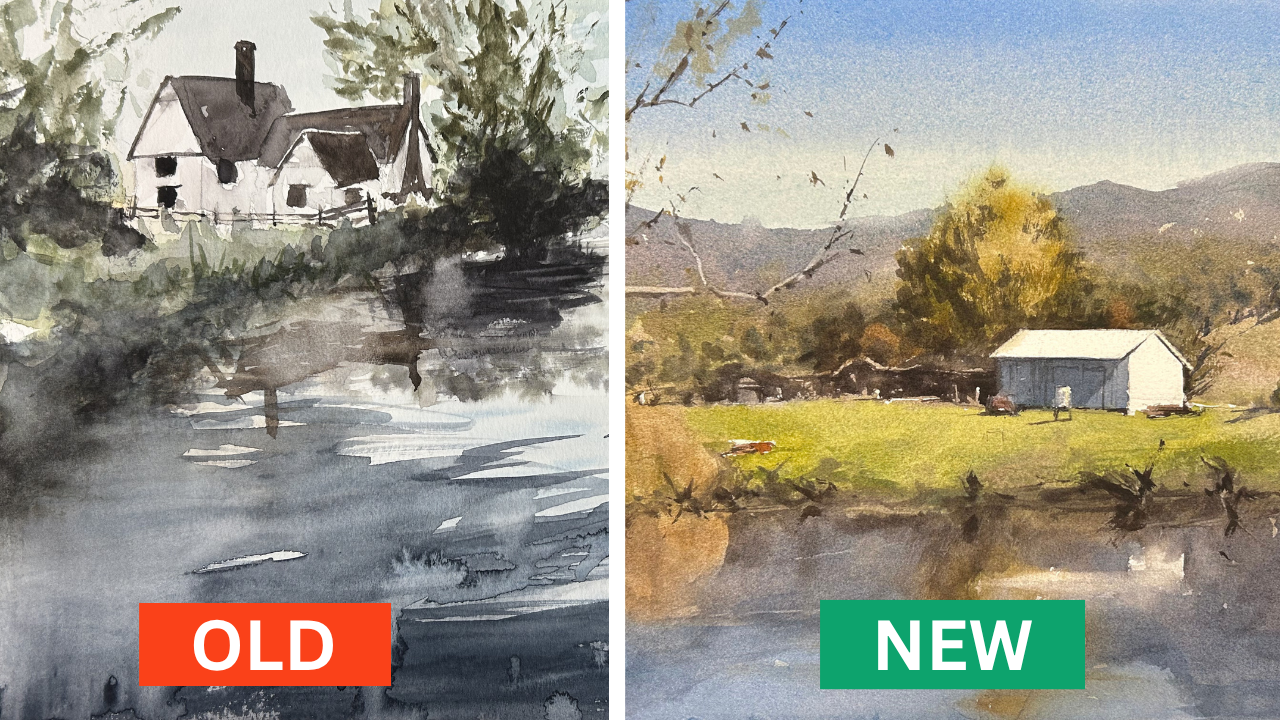
11 Lessons to Take Your Paintings to the Next Level
In today's video, I'm going to talk you through the top 11 lessons that I've learned between the two paintings above. And some of these are things I've heard no one else ever talk about.
1. Look to other mediums for inspiration.
What you're going to find out as you get deeper into your learning is that some of your best ideas and inspiration will come from sources outside of watercolor.
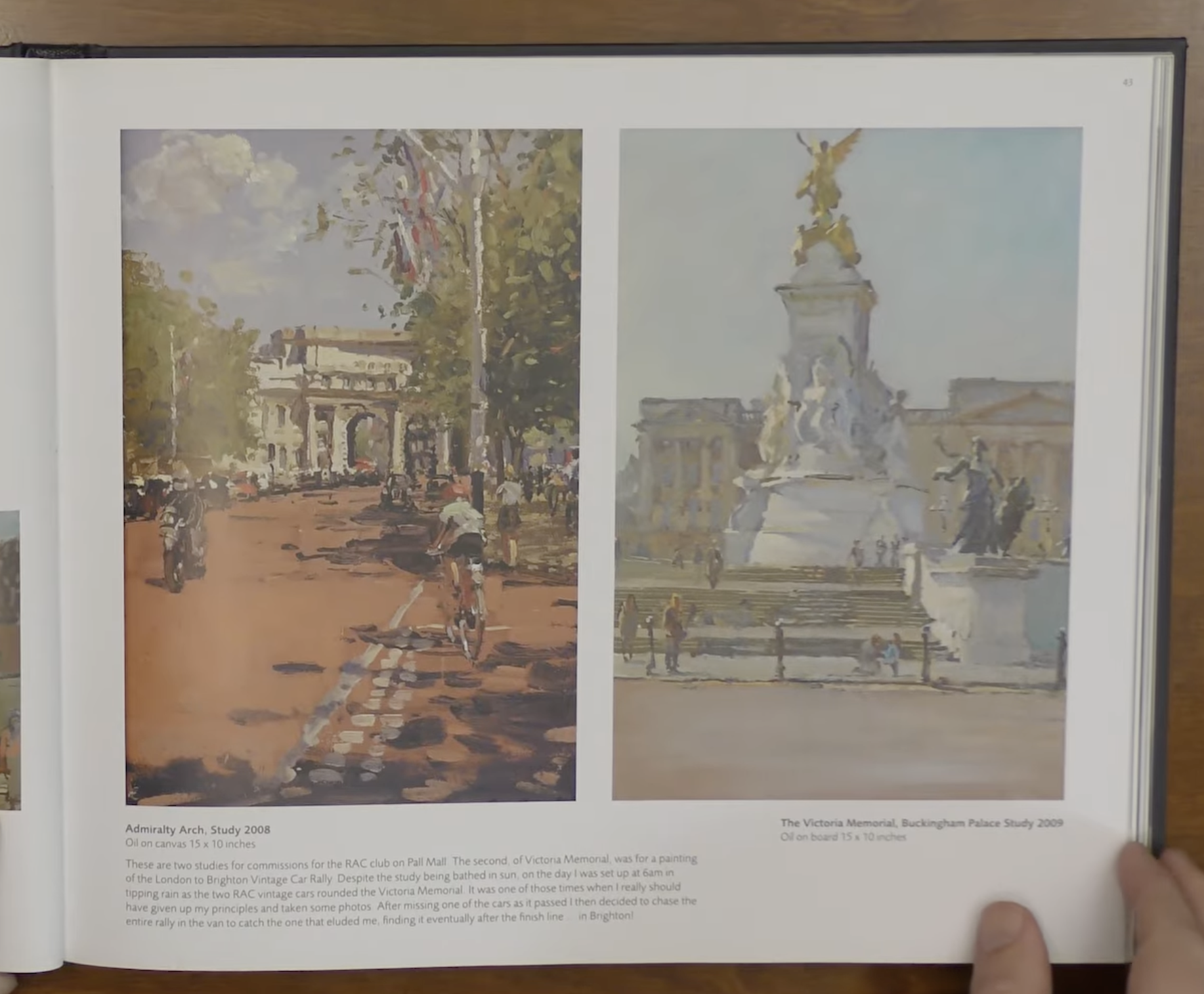
I've bought Peter Brown's books and videos even though I've never painted in oil before.
I like to see his approach, his brushwork, and more importantly, I want to understand his thought process on what he's thinking when he looks at his subjects.
Pay attention to the artists and inspirations that catch your eye, and don't cut yourself off from influences outside of watercolor. This is an important part of developing your specific style as an artist.
2. Challenge what you learn.
I find myself holding on to things that I've heard or learned years ago, even when I have reason to question their validity. Those voices will pop up occasionally and say something that might be limiting to my current painting process.
So here's a small example. I've heard in the past: don't put too much interest on the edges of your painting. Well, as I'm diving deeper into learning composition with Edgar Payne, I find that he'll often spread out areas of interest to the very edges of the canvas in order to keep the viewer's eye moving around the scene.
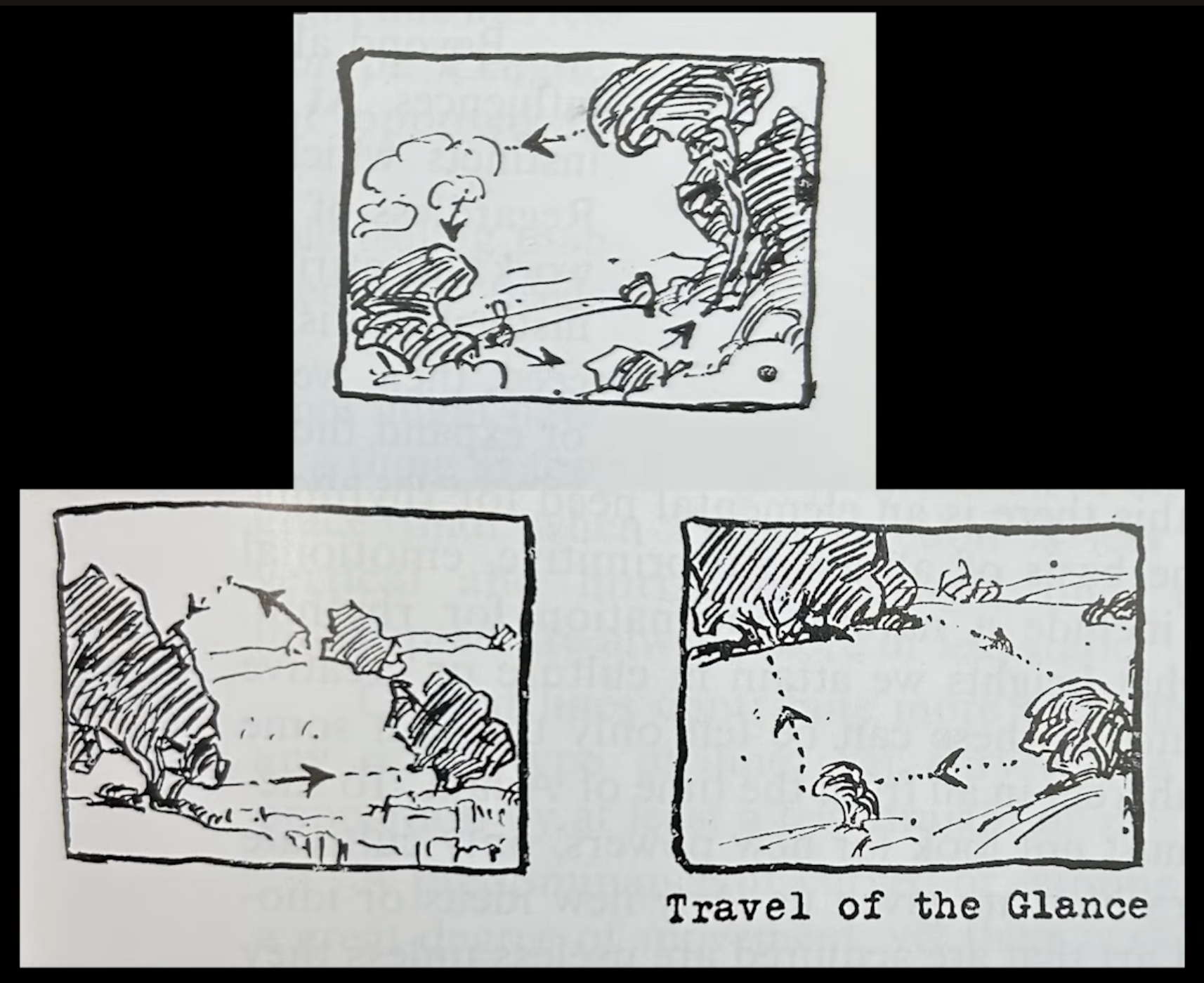
It's okay to take in a lot of different voices, but don't be afraid to push back and challenge things as you continue to learn more. There's a lot of different ways to paint, a lot of different perspectives, and the more that you take in, the more that you allow ideas to bounce off one another, the more you're going to refine what you like and what works best for you.
3. Pay no attention to likes on social media.
When I first started making big progress, I was posting work on Instagram, and I would get a lot of good response. It can be helpful to feel encouraged if people are liking your paintings, but what happens when you post something that you think is good, but it doesn't get a good response? It's human nature to begin to question yourself.
I've felt this before. I've posted something that I thought, you know, this is one of my best paintings that I've done lately, and then... crickets. Don't let how the algorithm treats your work say anything about you or how well you paint. The only thing that matters is what you think about your painting. Now, if you're looking for feedback, find someone that you trust and show them your painting.
Don't try to make Instagram happy with all the noise out there. Just forget about that. It's not worth it.
4. Learn as much as you can from each one of your paintings.
After you paint a scene, don't toss it aside or throw it away. Every painting is just one small step of a really long journey. Instead, take an honest look at your painting a few days later and assess what worked well and what didn't work well. This will support you as you take steps forward.
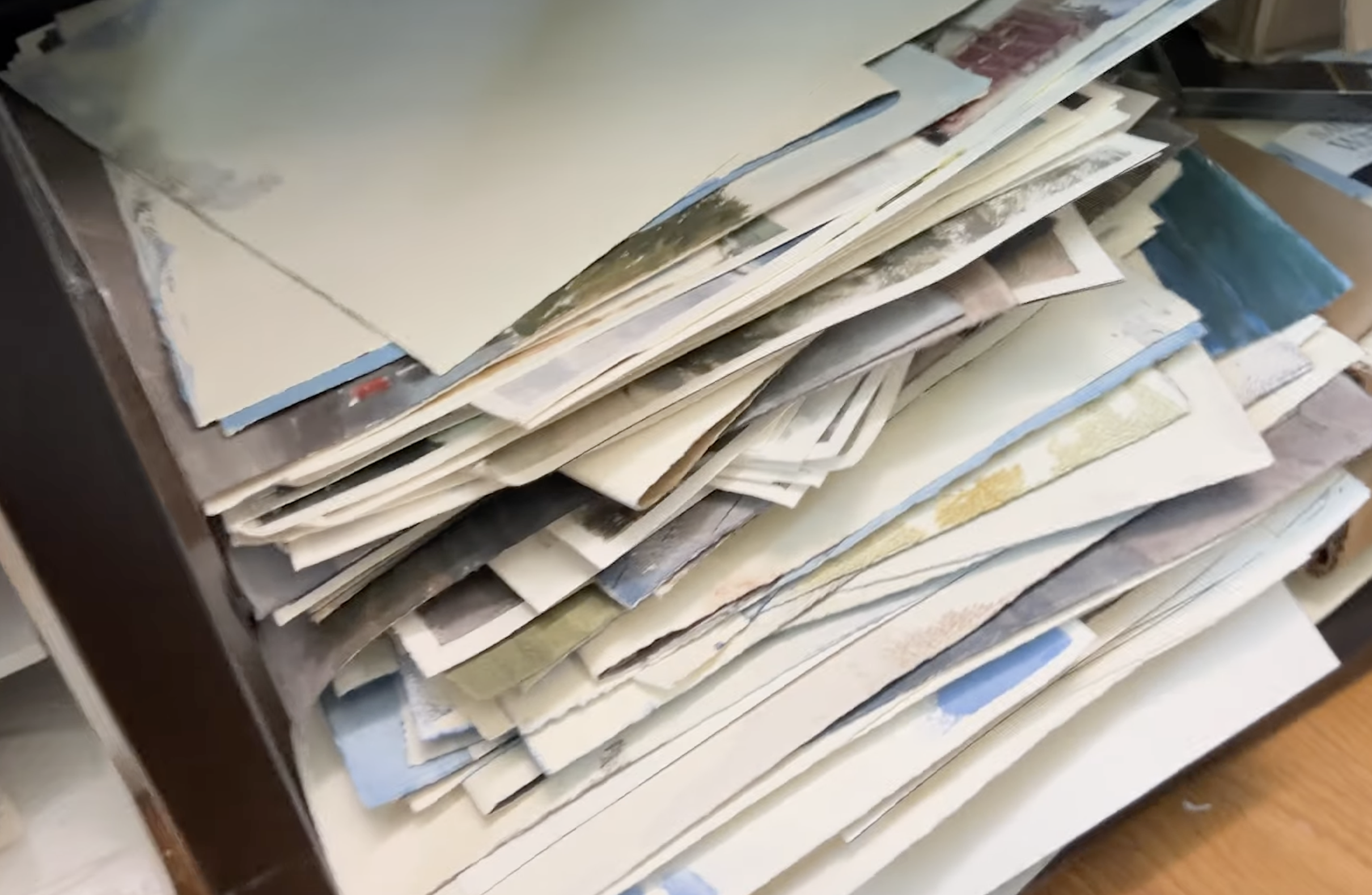
If you want to take that to the next level, maybe jot down a few notes from the painting. Identify some things you could have done differently to make the painting work better and write these tips on the back of it. If you're seeing some of the same problems over and over, that's a good indication that this is an area where you should focus on.
If you take the time to study your work, you'll be miles ahead of others that just set aside their paintings when they're done.
5. Practice individual skills.
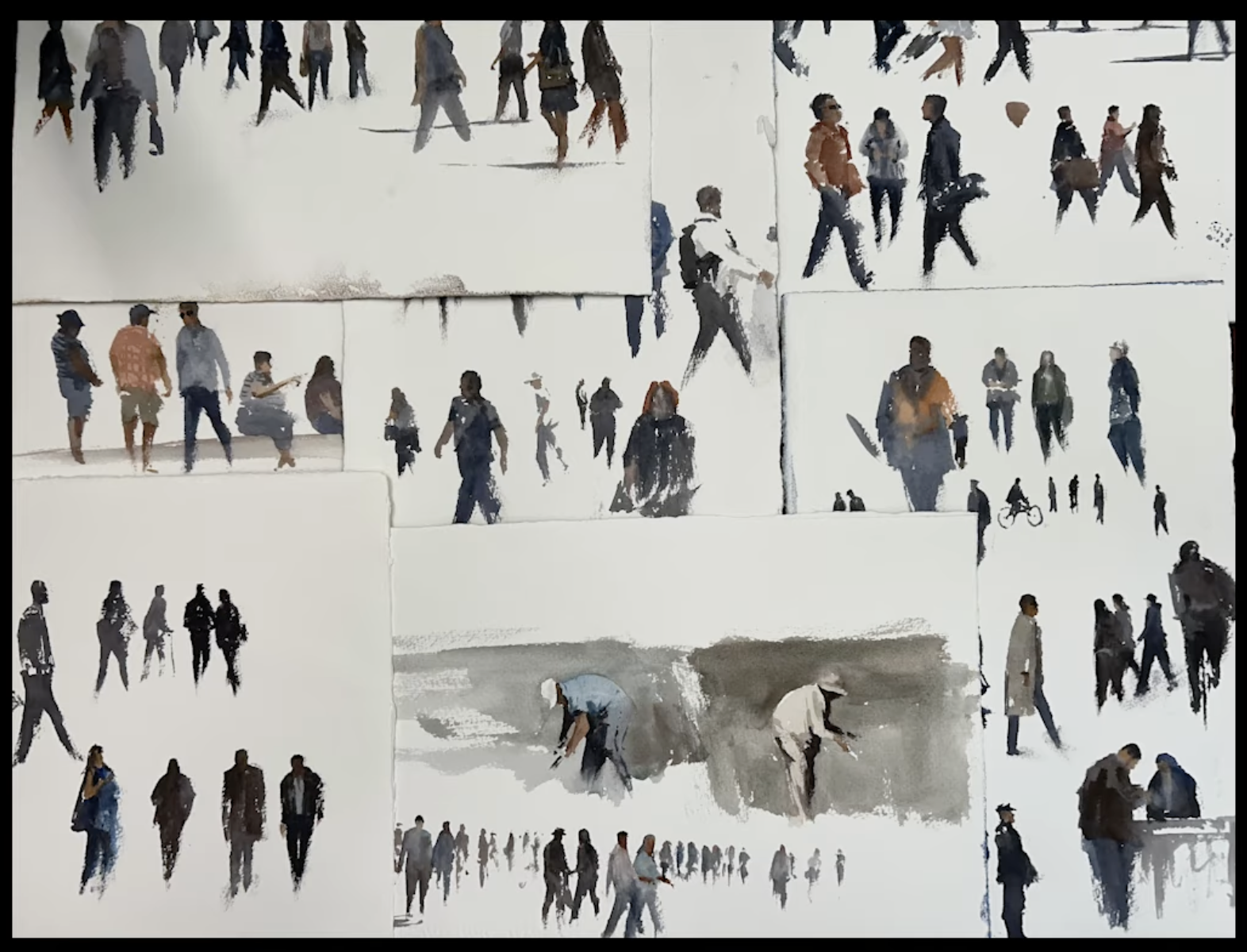
Students often want to get better at specific skills: painting skies or figures or cars or buildings or trees. But very few painters practice those specific things.
If you're only painting complete paintings that include the element you want to get better at (and hoping for the best), you're missing an opportunity.
Without intentional practice, you're not going to see much progress. Instead, you need to isolate that specific element you're working to improve and get your reps in on it. Aside from complete paintings, practice your figures, practice your trees, practice your skies. This is how they'll get better. And when you need the skill later, it will come with much more ease.
6. Learn the hard stuff.
I tend to be somebody that kind of learns things by trying them, just doing my best and hoping to make progress over time. If you want to make real progress, though, lean into the hard things that you might be avoiding.
For me, this was learning values. At first, it just seemed complicated. It felt like it was slowing me down, and sucking the fun out of my creative process.
But really I was slowing down my progress by avoiding this learning.
You don't have to absorb everything all at once. Take small little bites at a time. This is way better than ignoring the difficult concepts and hoping that you're going to figure it out along the way.
Side note - that's why I built my course Watercolor Essentials is to learn these things that can feel difficult and really simple bite size videos.
7. Think more before you start to paint.
Again, me being a person that wants to just kind of figure things out by feeling, I bristled at the idea of spending a lot of time planning.
But what I have found after 11 years of painting, is that the more time I can spend thinking about what I'm painting, planning my process, and studying my scene, the better that my paintings turn out. When I do a thumbnail sketch, a value study, or plan the composition, it makes a big difference in my paintings.
8. Don't Learn Alone.
Now you might be an extrovert and you're always with other people. That's not me. I'm an introverted guy.
And painting is kind of like my alone time to recharge. But what I've found and what I've heard from several other sources, is that learning with other people can really make you better. Connecting with other painters that are excited about the same thing you are is an absolute game changer.
Throughout history, there have been dynamic and talented artists who refine each other, inspire one another. The early Impressionists, for example, were always painting together, sharing ideas, critiquing each other's work, and pushing each other to get better.
The sooner that you're able to reach out and find your group, the quicker that you are going to improve.
9. Use all of your senses.
Have you ever been in a situation where you've wanted to want to paint, but you just can't bring yourself to get to your easel or to set up your painting materials?
The next time you find yourself in this situation, turn on some music, light some incense, or go for a walk.
There's something about involving your other senses that can get you out of a funk and can help spark some flicker of creativity.
Now this doesn't work every single time, but next time you feel stuck, give it a try and just see if you can get yourself out of that stuck place.
10. It's okay to do other things.
When I was really getting deep into painting, I had this fear that if I didn't paint every single day, I was just going to stop doing it. I wanted to get better so badly that I would put so much pressure on myself and I would just have tunnel vision. And while some degree of that can be helpful to stay motivated and stay focused, only pursuing painting can burn you out mentally.
There is huge value in cultivating your other interests. These other interests don't take away from your painting practice. They can actually feed into it.
If I get stuck on a scene, I might pick up my guitar, strum a few chords, just get my mind elsewhere. You'd be surprised how using a little bit different part of your brain can get you processing some of the things you were trying to work out on your easel. You will actually be healthier and a better painter if you lean into some of your other creative outlets as well.
11. Be very careful at the end of your painting process.
What happens when you've been thinking and concentrating really hard for say a couple hours, when you get down into the last little bits of details and the finishing touches of your work? If you make a wrong mark at this stage, it's really going to be really discouraging. I can't tell you how many times I've really liked a painting just to mess it up at the very end. It's frustrating.
So what I always recommend is get your painting 80-90 percent done, and then step away for a bit.
Maybe come back the next day, look at what you've done, and then carefully - with a clear mind - add in the last finishing touches of the scene.
Related Blogs
Lessons To Be Learned From My First Painting
What I've Learned From 10 Years Of Watercolor Painting
5 Easy to Implement Watercolor Tips to Improve Your Paintings