Lessons To Be Learned From My First Painting
Mar 23, 2026Measuring backwards is a concept I first learned from a book called The Gap and the Gain by Dan Sullivan and Dr. Benjamin Hardy. Measuring backwards the practice of reflecting on where you've come from and where you are now as it relates to a particular skill you're refining.
We have a tendency to compare ourselves to others, but if you can instead focus on comparing your current skillset with the one you had 6 months ago, a year ago, or five years ago, what you'll discover is a joy and satisfaction that acknowledges all your hard work.
A Critique of My Very First Painting
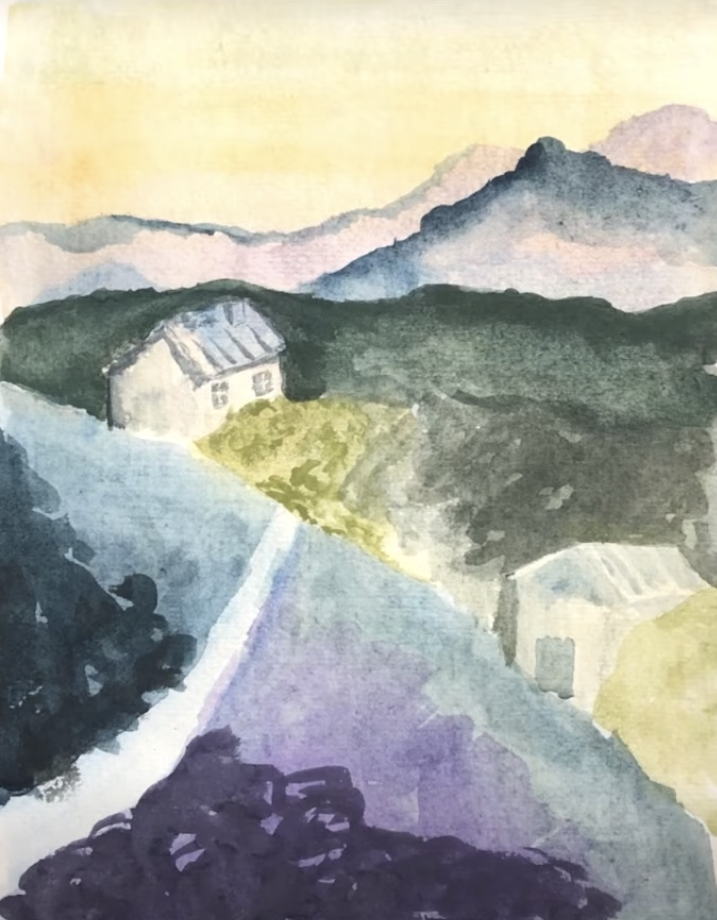
This is my very first watercolor.
When I study this painting, I see a lot wrong:
- The color palette isn't thought out well,
- I've split the painting into parts with my drawing,
- There's no connected shape,
- I've achieved no depth in the painting, and
- My values are all off.
Considering all this, you'd think I'd be a little embarrassed to show this to the world, but it's quite the opposite. Looking back on this painting actually makes me really proud of myself. I have learned so much since, and worked hard to improve and grow as an artist. When I measure backwards, I recognize each and every step I've taken to get to where I am now. And it fills me with the confidence I need to keep working, knowing there is improvement yet to come.
Improve Quickly and Foster Joy Along the Way - 4 Lessons
One goal in any pursuit is to improve. Progress is one of the most satisfying experiences, so we want to be able to see clearly the steps we are making along the way. But we also want to enjoy the experience.
So today, I'm going to outline 4 strategies for improvement that will also encourage a joy-filled pursuit.
1. Practice Specifics.
The list of "things to focus on" in a painting are nearly endless. Don't create that list - you'll become too overwhelmed.
So many emerging artists focus only on creating complete paintings. They want the final product, and so every time they approach their easel, this is what they have in mind. But let me offer you another way.
Instead of always working toward a completed scene, choose one or two elements or subjects you'd like to see improvement in. In the beginning, I really saw the need to improve on my figures and my skies. Of course, there were many other things I could have chosen, but it was helpful to narrow it down and home in on these couple of things.
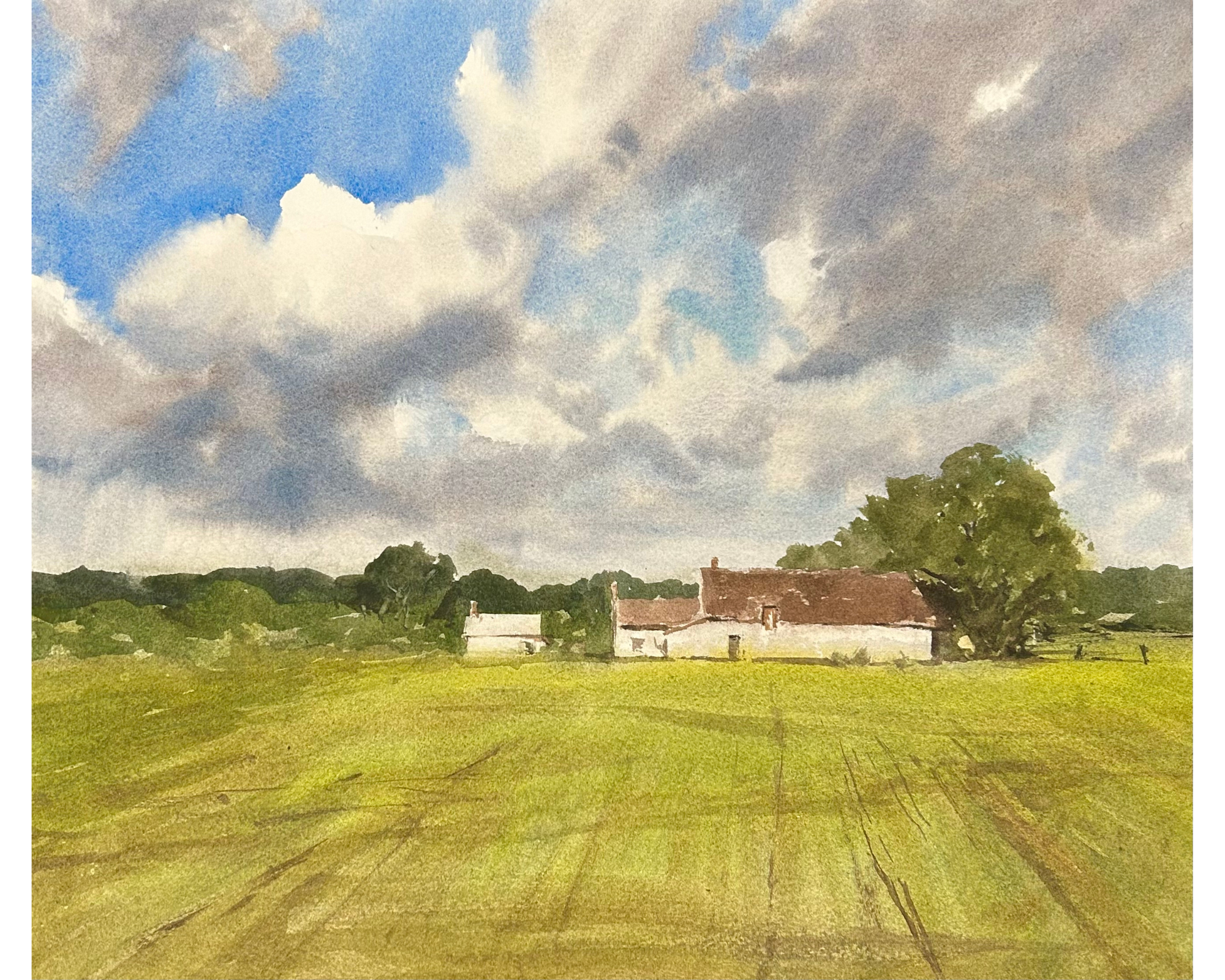
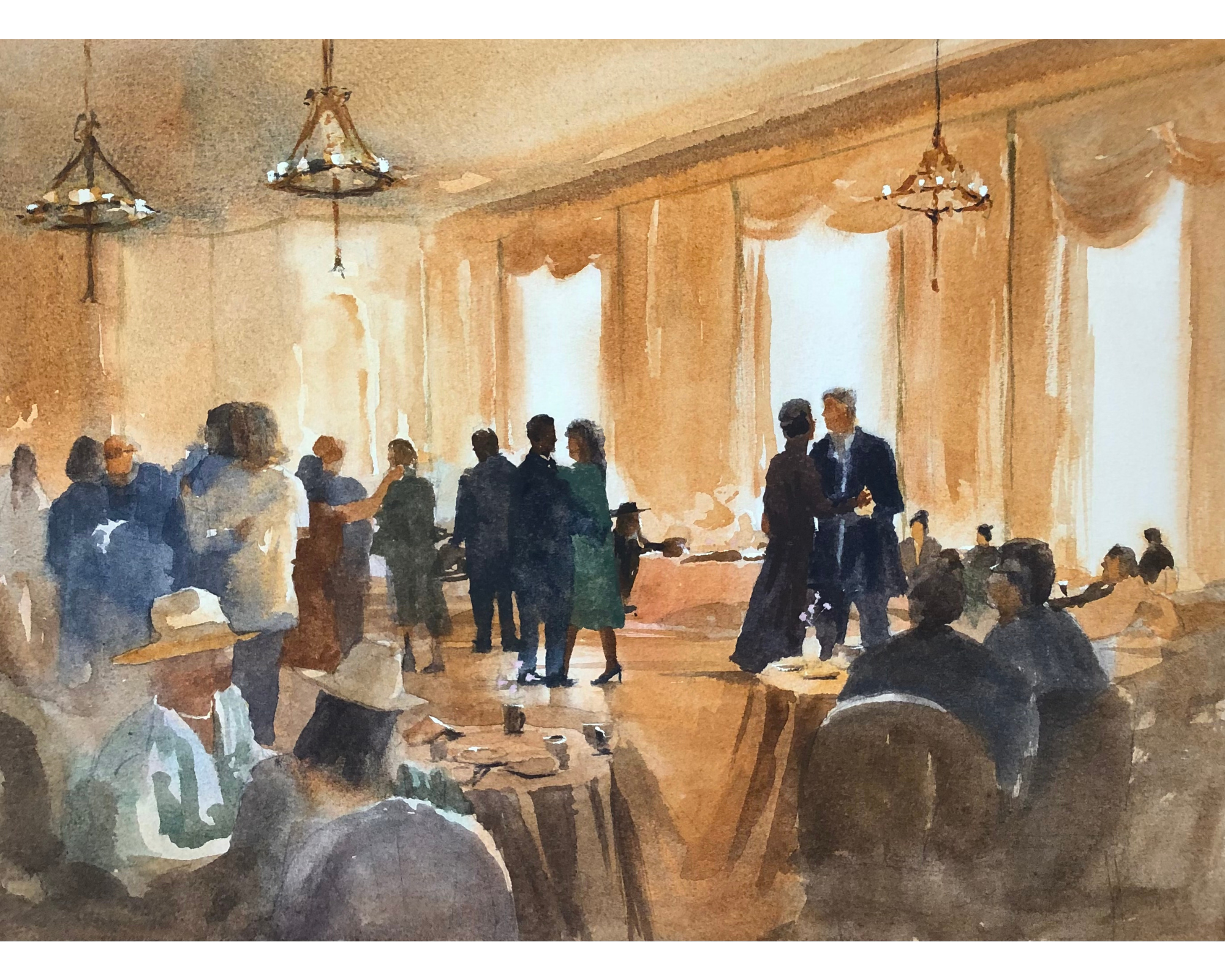
Spending 10-20 minutes a day on just these skills did wonders. Then I chose two more elements to focus on until I saw improvement.
I still would work on complete paintings during this time, of course, and they improved slowly. But what was most encouraging was watching the skills I was really focused on get better and better. This kept my spirits up when full paintings were disappointing and gave me the confidence I needed that my hard work would pay off.
2. Value Consistency Over Results.
Growth in watercolor can go at a snail's pace. I have piles of paintings that didn't make it on my Instagram or my website - paintings that just didn't turn out.
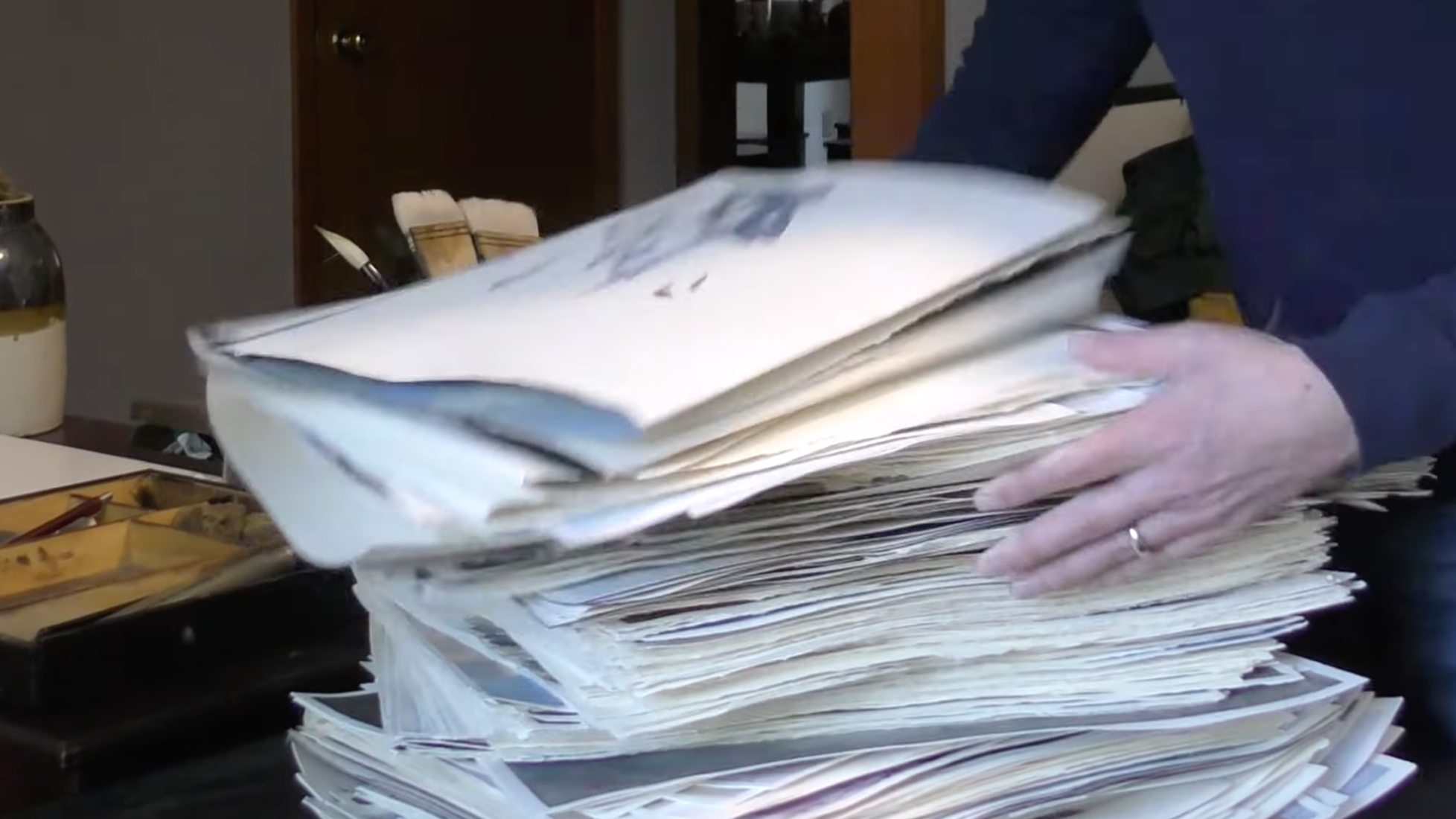
If you only value results, your primary emotion regarding watercolor is going to be frustration. You might even give up.
The quicker you can shift your priority from "creating a quality painting" to "showing up with consistency," the better. Consistency is what's needed more than anything - taking the time to build muscle memory, work out the right timing, to learn how to mix the colors you need, etc. Without consistent habits, the road to improvement will be rough.
Here's a suggestion - get a calendar that is devoted just to your painting habit. Each day that you do anything related to painting - drawing a sketch, completing a value study, practicing a sky, experimenting with your brushes or pigments - draw an X in that box. Make a goal around this. Do you want to show up 3 days of the week and then gradually move to 5 days? What goal is sustainable for you? Whatever goal you make, do your best to meet it for a good period time before raising the expectations. This will help you prove to yourself that you can and will follow through.
If you combine this habit-forming technique with the first piece of advice of focusing on specifics, you're bound to see some clear results!
3. Vary Your Influences.
When I first started out, I was hyper-focused on an Australian artist, Joseph Zbukvic. He's a master, and his paintings are just stunning. I wanted to paint just like him.
It's good to have inspirations, of course. I'm humbled to have people who want to learn from me, but here's the thing - there is no "one way" to paint. You might pick up some skills and tips from me, but then find another influence who paints differently than me that you learn from. Maybe one strategy just makes more intuitive sense to you or allows you to create an effect that you really enjoy. Don't wall yourself off from influences because one artist is your favorite. Stay open to inspiration from all sorts of artists.
You'll learn a lot from collecting influences like this. You'll begin to be able to identify what differentiates artists from one another and discover your own technical and aesthetic preferences.
The goal is to learn from every artist who you admire and also to listen to your inner voice guiding you. You'll begin to refine your own palette, settle in somewhere on the spectrum of impressionistic to realistic renderings, and discover the subjects that inspire you.
Over time, studying the work of others and filtering it through your own preferences will help you to develop your own particular style.
4. Catch Yourself When You Compare.
We live in world that makes it impossible not to compare ourselves to others. In the age of social media, I'd even argue that it's never been more difficult to avoid these destructive tendencies.
I don't have any magic solution to this except to say that limiting screen time can do wonders for your mental health and motivation. When the balance is off between consumption and creation, we start to feel it in our bodies and minds. When we're in this space, it's incredibly difficult to see ourselves and the progress we're making clearly.

It's so easy to go online and see artists who are "better than us" and feel disappointed and discouraged. This happens to me, and it's not something we can completely avoid, I don't think. We've just got to learn to catch ourselves when we start to do it.
Remind yourself to "always measure backwards." Compare your present self to your past self. Study the progress you've made, assess the commitment you've given to your art, and press forward on the skills you want to improve. Don't let comparison suck the joy out of your practice. Reflect on how far you've come and why you want to paint. Focus there instead of spiraling about where someone else just convinced you, you "should" be.
Follow These Strategies For a Joyful, Lifelong Pursuit
All this advice I'm giving you - I have to remind myself of also. I frequently have to reassess my comparison habits. I'm always looking to refine my personal style. I get frustrated when a painting doesn't turn out. And I tend to forget how important consistency really is. The reason I know this advice is valuable is that it's the advice I give myself when I need to refocus.
So, please - do not use criticize your current habits too harshly. Just nudge yourself toward improvement in one area. Then when you're doing better there, choose another one to improve on.
This is a lifelong pursuit, and if we only pushing ourselves and not slowing down to enjoy it, we're missing out.
Related Blogs
3 Bad Watercolor Habits to Ditch in the New Year
Positive Mindset Shifts that Accelerate Your Learning