3 Bad Watercolor Habits to Ditch in the New Year
Jan 12, 2026Have you set any watercolor goals or resolutions for the new year?
Maybe you want to paint more frequently. Perhaps you want to work through a course you've purchased. Or maybe you want to make small changes that will make a big difference in your work.
Today I address three bad watercolor habits that, if eliminated, could make a real difference in the art you create this year. Keep reading (or watch the video) to start your new year off right!
Three Bad Habits to Eliminate This Year
1. Stop Painting Everything the Same Way.
When it comes to painting, variation is our friend. If we're deploying the same techniques over and over in the same painting, we're bound to create unremarkable - even boring - paintings.
If we paint every part of a scene with the same amount of contrast, saturation, and edges, we end up with a painting that's simply boring.
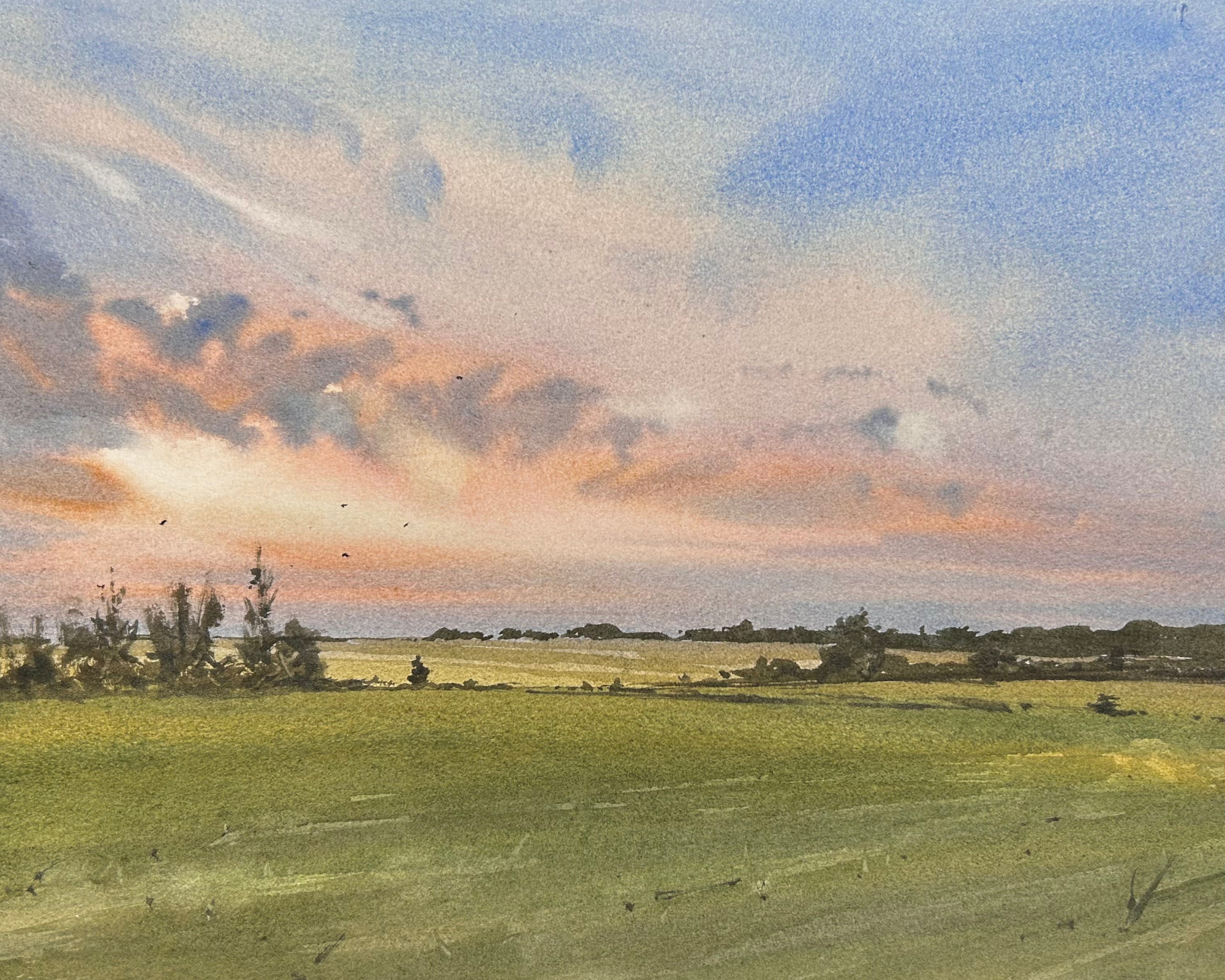
Take a look at the painting above. The main reason this painting works is because of the variety we see in the scene. We have soft and hard edges, different levels of saturation, warm and cool colors, sweeping brush marks along with small brush marks.
So, the next watercolor you paint, try focusing on variety. Intentionally and explicitly treat parts of your scene differently. Strategically mix things up and see what a difference it makes to the overall scene.
2. Quit Using the Wrong Brush for the Job.
It happens all too often that students use only one or two brushes for their whole scene. Typically, I use these four brushes for a watercolor painting: a large mop brush, a medium round brush, a small brush with a point and a rigger brush (these are affiliate links).
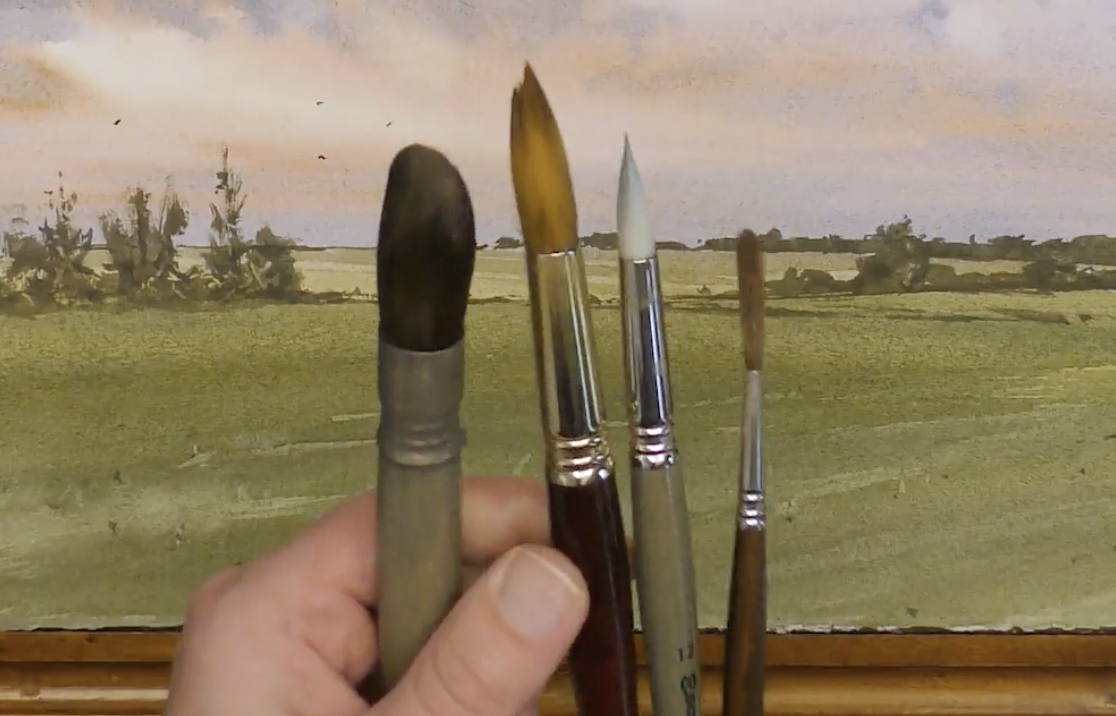
If you're using one or two brushes to complete your entire scene, you have room for improvement. A good rule of thumb is to use the largest brush you can for the task at hand. Following this guideline helps minimize your brush marks (thus creating smoother and more unified shapes).
While we're talking about brushes, let me also remind you that changing the way that you hold your brushes allows you to make a variety of interesting brush marks which will help you achieve the variation discussed above. Do some experimentation with your brushes. Hold them further back and then closer up. Vary the amount of paint you apply to them. Use the wrong side of them to scratch off paint from the paper. The more familiar you are with the techniques you can use, the better.
3. Refrain from Copying Your Reference Exactly.
Sometimes beginner artists are too loyal to their reference photo or the scene in front of them. Of course, there's nothing wrong with trying to recreate a scene you love, but oftentimes this is a hindrance to a great painting.
Remember that you are an artist not a stenographer. You get to decide what you emphasize in your scene. You get to decide if something gets cut out of your painting, how to crop the scene, and whether subjects in your reference would look better rearranged a bit.
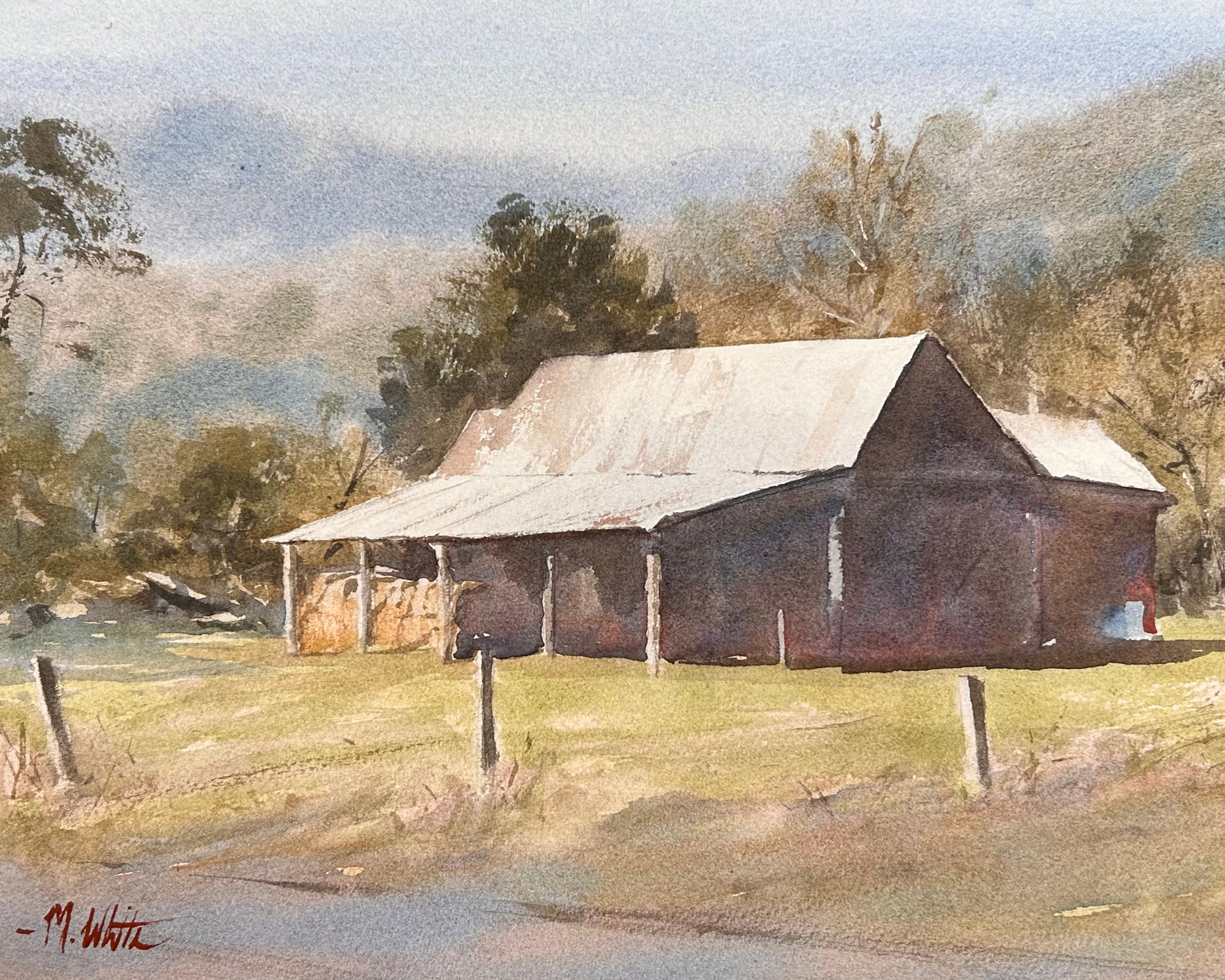
Keep your eye on what it is that inspires you about the scene you're painting. All decisions should flow from there. Lean into the inspiration and make sure that the rest of the painting supports your main idea/focal point.
Ditch These Habits and Watch Your Watercolors Soar
Let us all step into this new year with renewed commitment to our craft, ditching bad habits and picking up good ones. Slowly but surely, we'll watch our paintings improve.
Related Blogs
Common Watercolor Mistake You Can Fix Today
Improve as a Watercolor Artist with These Strategies
5 Easy to Implement Watercolor Tips to Improve Your Paintings