This Simple Shift Changed My Watercolor Paintings
Aug 10, 2026Make This One Change for More Interesting Paintings
If we have four trees in a row that are about the same height, that are evenly spaced in the scene, that is boring. If we have birds in the sky that are evenly spaced out, that is boring. If we are mixing a color in a scene and using that same color over a lot of the painting, that is boring.
One of the most important ingredients in a good painting that is often overlooked is variety. In good painting, we want a variety of shapes, big and small shapes in the scene. We want a variety in how we arrange things in the scene.
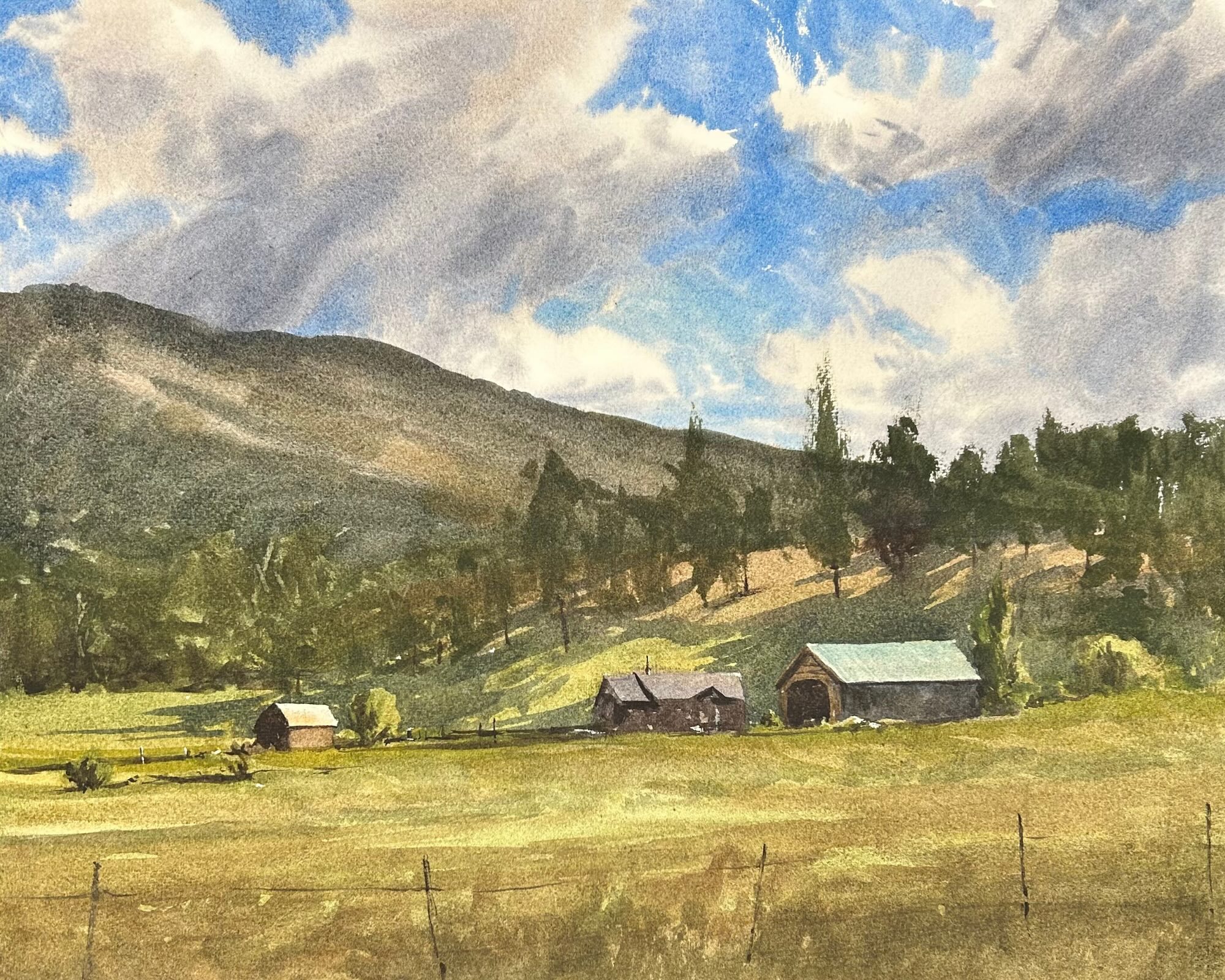
We don't want our trees to be evenly spaced or birds or buildings or cars or anything like that. So we want to be thinking about how to bring variety into our paintings. This is very important when it comes to color mixing.
Use a Variety of Colors
I've been guilty of this too, and I've seen it time and time again in students' paintings.
They will mix up a big puddle of one color and just continue to use that color throughout a big portion of their painting. Where we often run into this is when we are mixing greens.
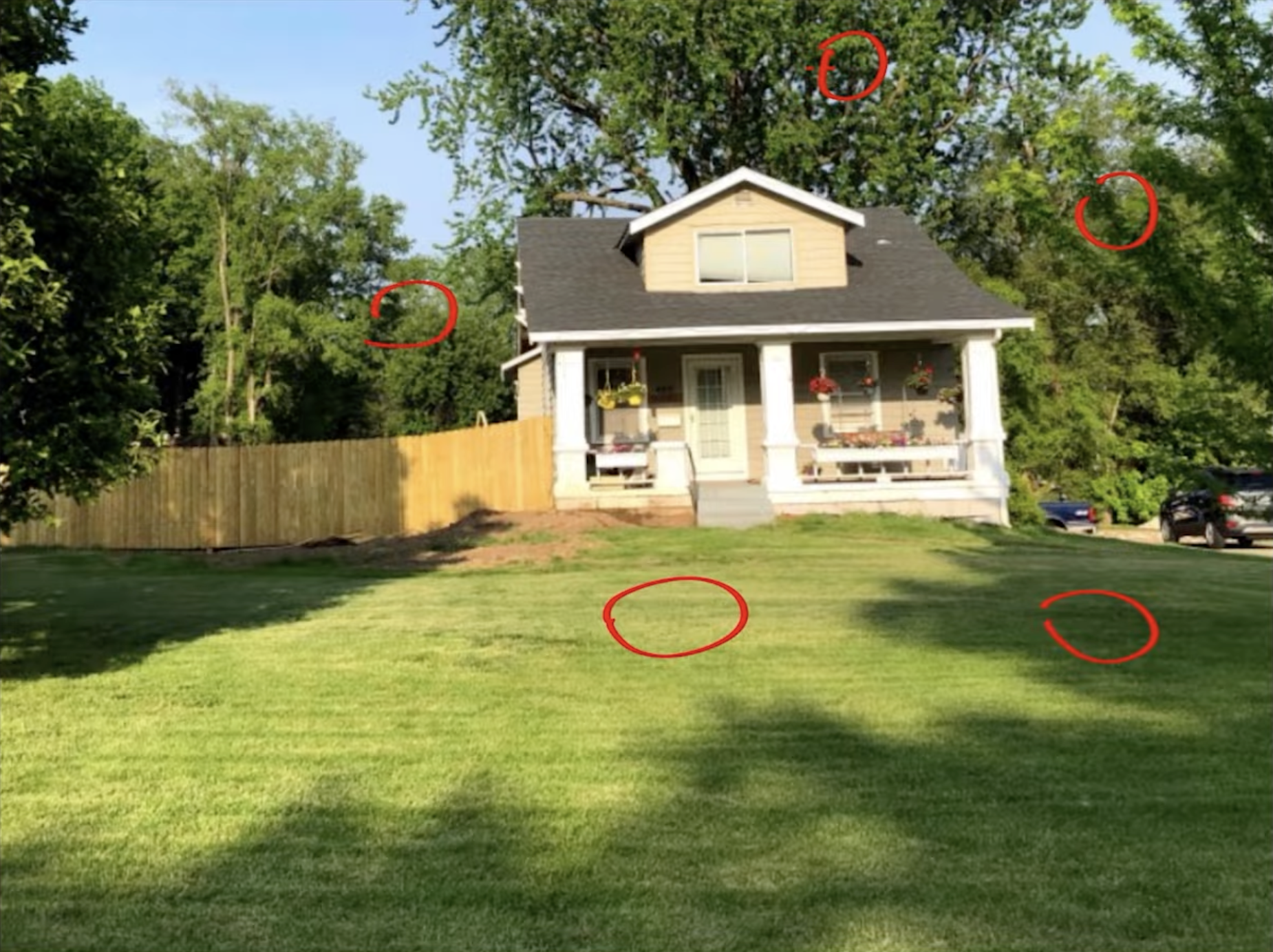
So take a look at the scene here. We have green trees in the background, green grass that's in light and in shadow. There's green all over the scene. What's tempting to do is to mix up one puddle of green and use it all over the place.
Not only does this lack of variety make your painting boring, but it also detracts from the depth in the scene. Let me explain. Here's the painting I created from that reference photo.
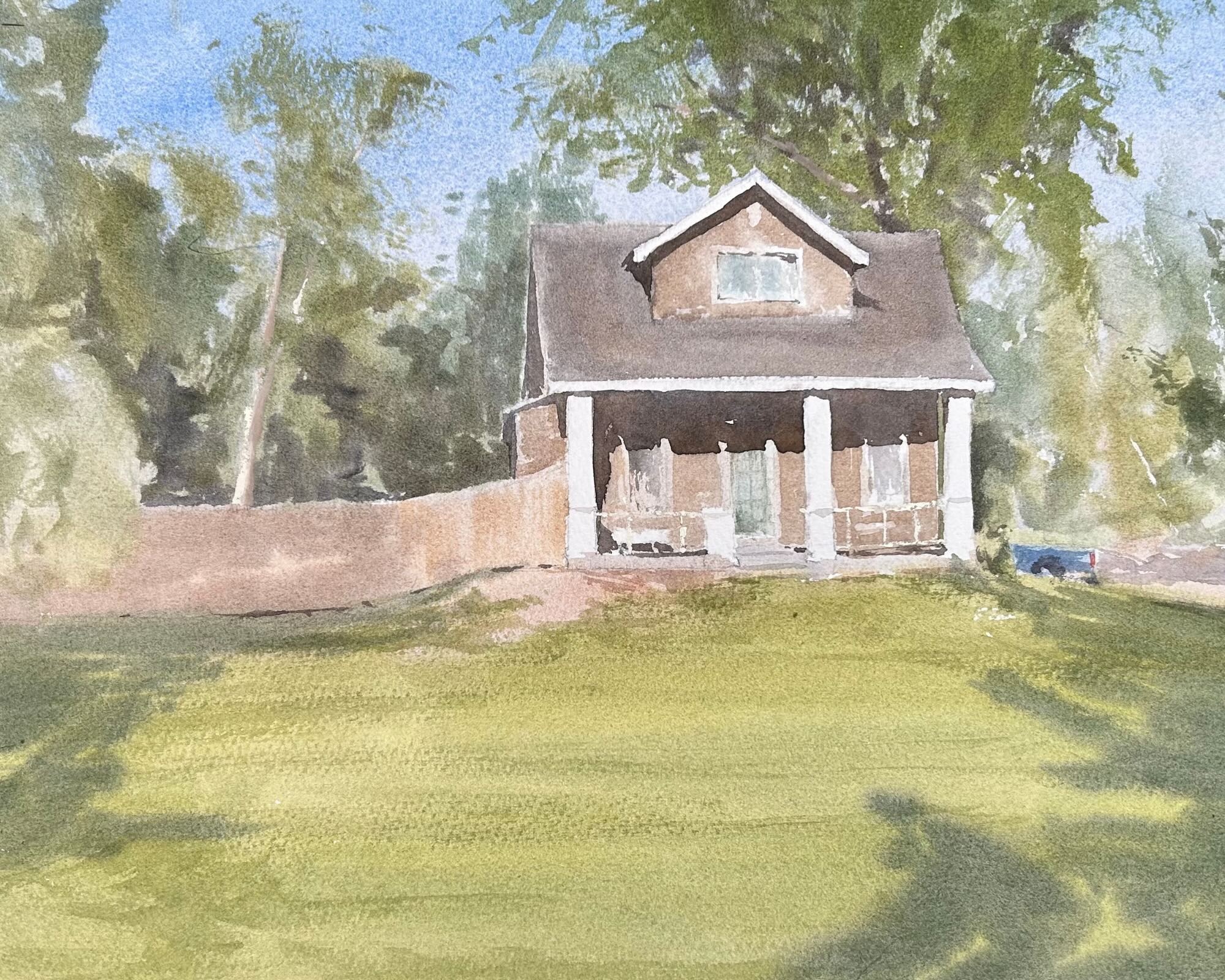
Now within this scene I have a variety of greens that I'm using. There's a cooler green in the background, a little warmer green in the background, a more vibrant green in the prominent tree, a warm green for the light hitting the grass, and a darker cooler green for the shadows.
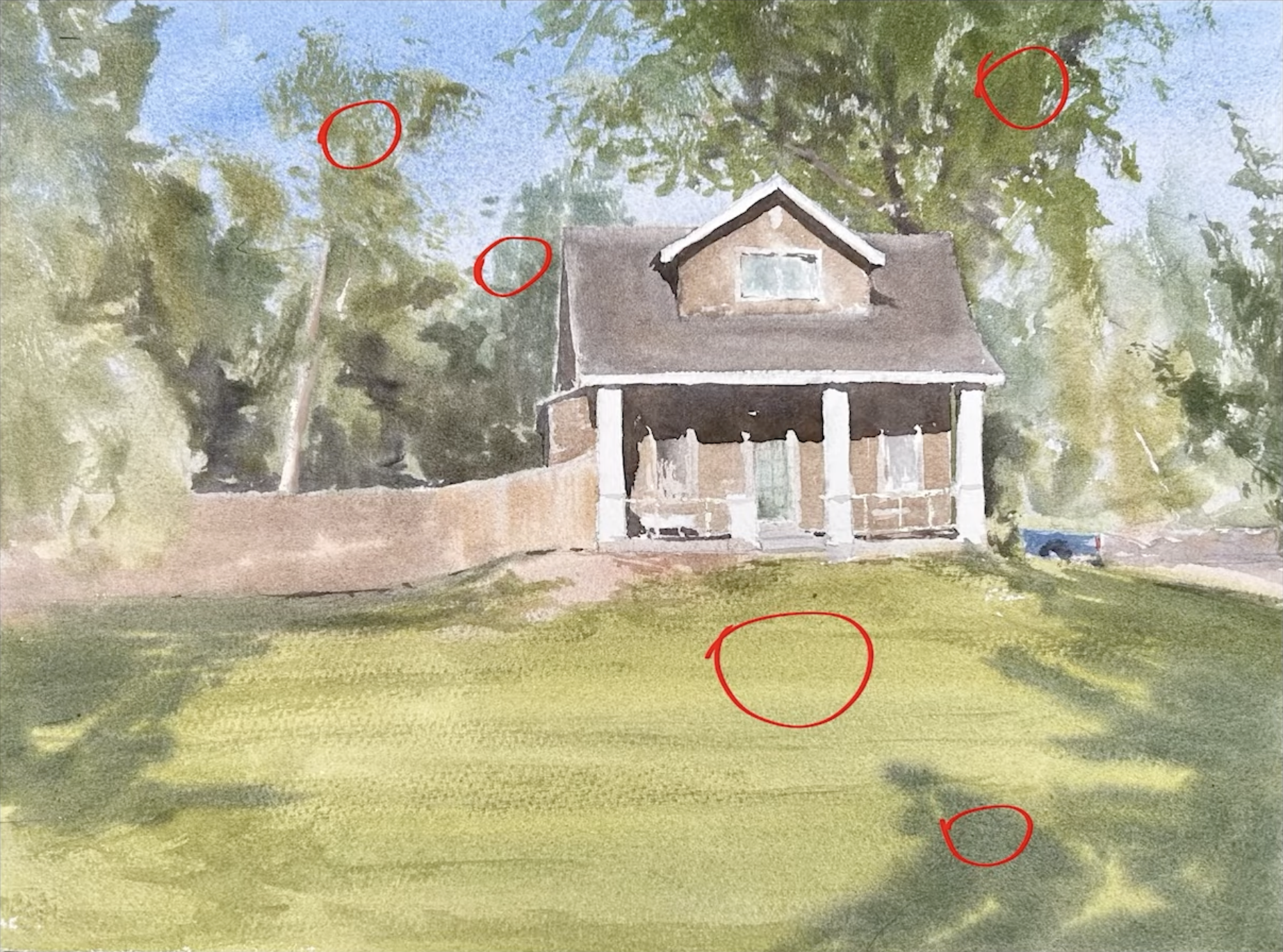
If I had just mixed up the same kind of olive green and used that in the background for the trees in the middle ground, for the stronger, more focused tree, and also for the grass and in the shadow, I would have a very boring painting.
Variety Can Also Create Depth
So not only is variety important for creating interest, but it also is important for creating depth.
You'll notice that the green behind the house has a cooler tint to it than the green on the lawn. This difference in warmth is absolutely crucial to creating depth within this scene. By mixing up a green and adding a little bit more cobalt blue to it, I can create this cooler green that allows those trees to be further back in the distance.
And on the other end of that spectrum, by creating a more warm vibrant green, that allows this part of the painting to really come closer to us, creating that feeling of depth.
If you're not sure how to mix a variety of greens, download my watercolor mixing guide. Here I go over mixing a variety of greens (and a lot of other things).
Related Blogs
How to Depict Distance and Depth in Watercolor Painting