How to Avoid Overworking Your Watercolor Painting - 4 Strategies
Jul 13, 2026Prevent Overworking with These Four Watercolor Tips
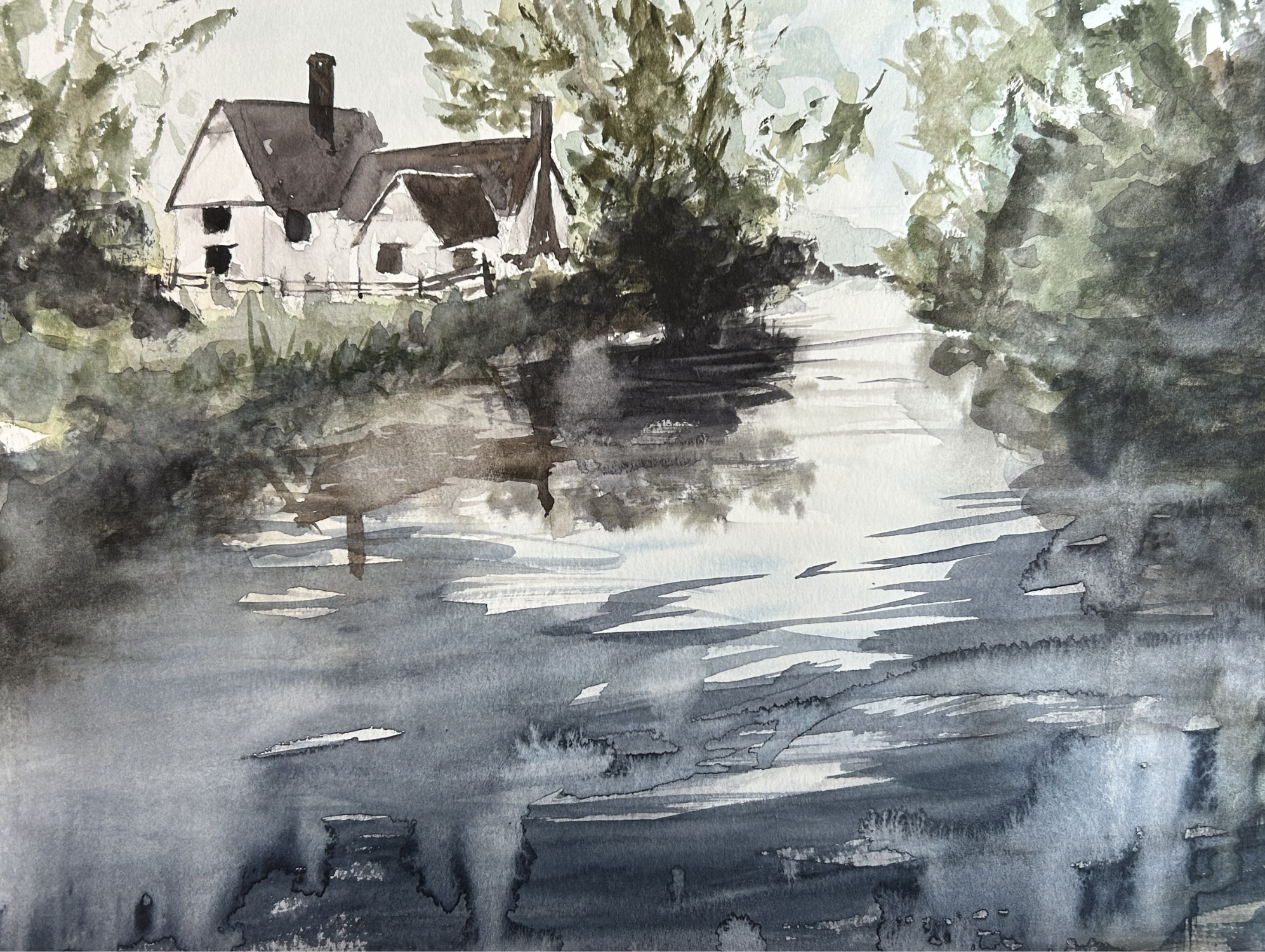
How you can go from something like this that is clearly overworked and unfocused:
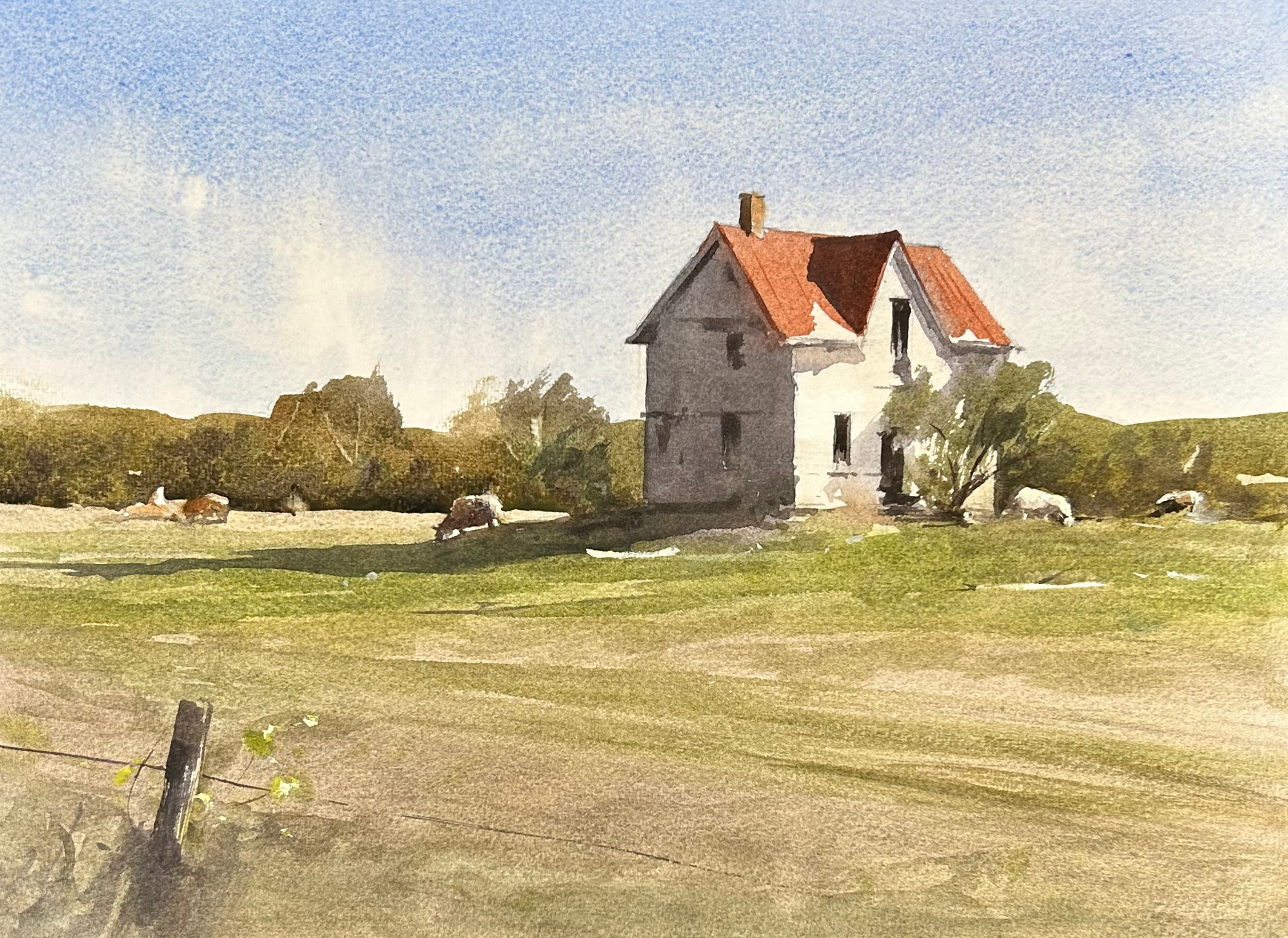
To something like this that has a more compelling approach that is a lot cleaner, that is focused:
If you can stop doing these 4 things, you can avoid overworking your painting.
1. Stop Using Too Small a Brush.
In watercolor, every brush stroke counts.
When you are using a small brush, you have to reload your brush and go back over and over and over again to make a mark. If instead you use a medium-sized brush, like a silver black velvet, then you can load the brush up and paint a shape in one solid fluid mark.
You lose a lot of freshness when you are coming back in with a small brush and reloading and using so many brush strokes to get the one mark that you need. If there's a group of trees in the background, I'll often see a beginner reload their brush and come back and forth, back and forth, and use those small brush marks all over the scene, whether it's in the background, the middle ground, or the foreground.
What we're touching on here is not just brush strokes, but also texture. So if you're using a smaller brush in the background of your scene, you can easily create distracting texture where you don't want it. You end up bringing that area forward, making it compete with the middle ground.
In this scene here, I simplified the brush strokes and the background recedes in the way it should. Compare that to my first painting above where the trees in the background really compete for attention and throw off the depth and dimension of the scene.
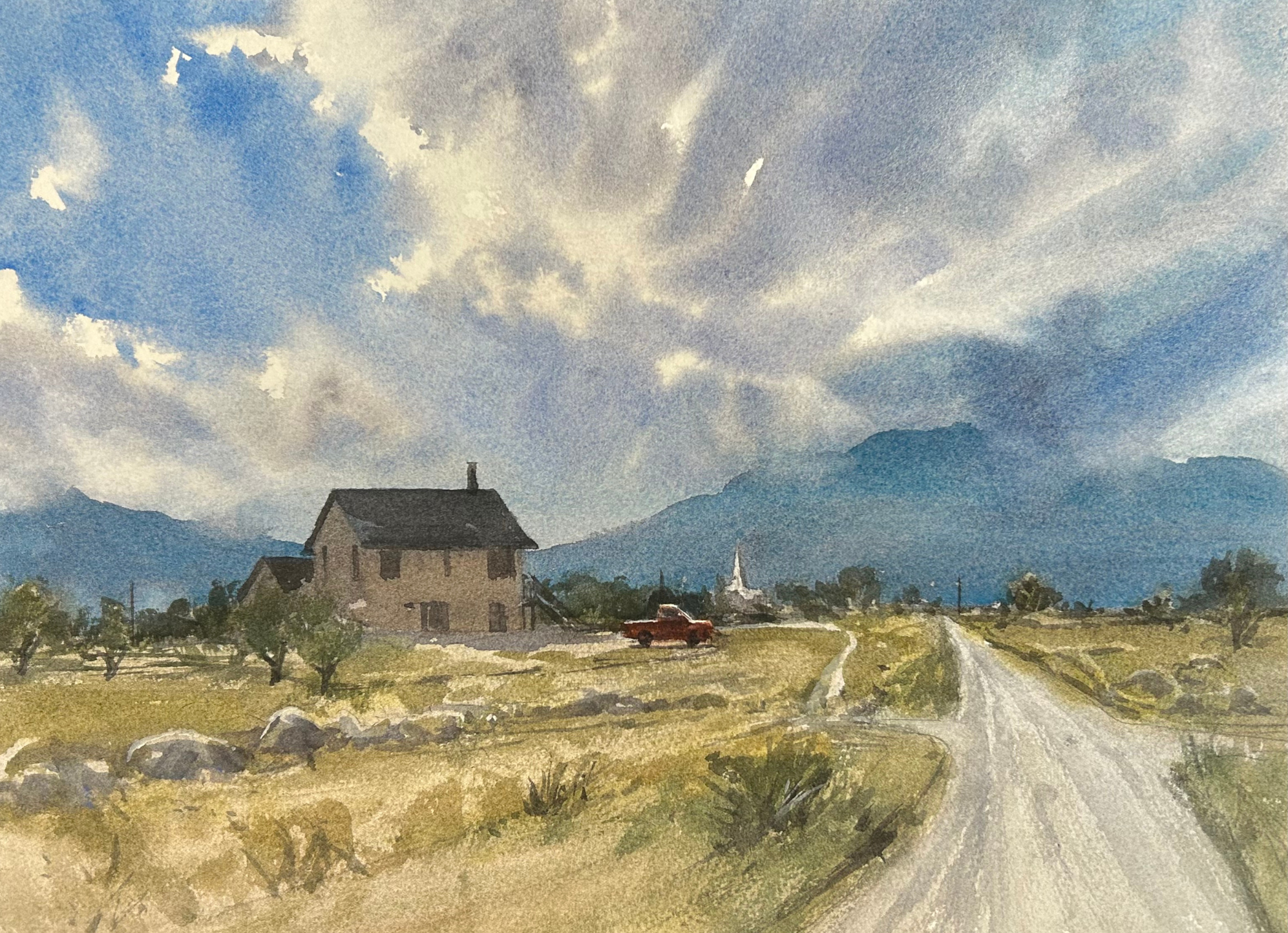
Now, if I had painted this mountain back here with a smaller brush and I had to continually go back and reload and come back, back and forth, using a lot of brush strokes, that would create a lot of texture back here that I wouldn't want. The texture would be competing with the middle ground and I would lose that freshness of that shape and the feeling of distance. If you find that your paintings are often overworked, the first thing you should ask yourself is, am I using too small of a brush? And if you change that around, then that could really help you paint a much more fresh scene that isn't overworked.
2. Stop Painting Too Lightly.
Another thing I see a lot in beginner's work is they aren't using rich enough paint. You'll see here on this palette, I am using tube paints and I can just squeeze the paint into these wells. Before I start painting, I just spray them down really nicely and I create a lovely rich mixture of paint using these tube paints on my palette that gives me a lot of mixing space.
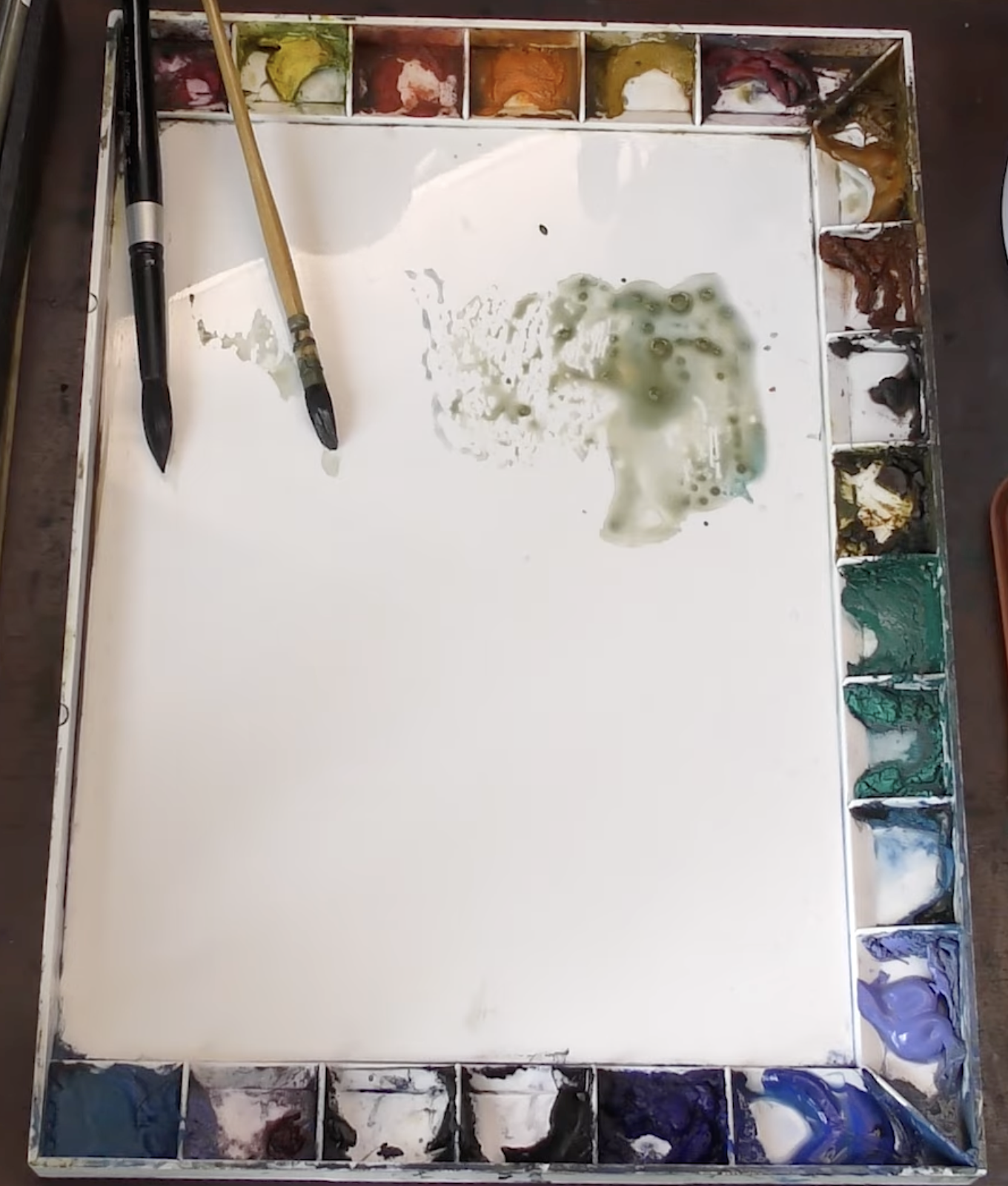
Something I see with beginners is they often have too small a palette with not enough mixing space and they won't be using tube paints. It's not that you can never use pans of paint, but it is a lot harder to get that rich mixture when you're using pans.
What happens when we don't paint strong enough is we have to go over something again, which becomes an issue because the more we have to paint over the top of something, the more brushstrokes that we are using, and the more overworked that your painting is gonna look. When you are mixing your paint, try to use the right materials and try to mix a rich enough mixture that you don't have to keep going over the same area over and over again.
You can see on this older painting of mine that I really was painting too light. I was not using a rich enough mixture, and therefore, I didn't have a real handle on the values of the scene.
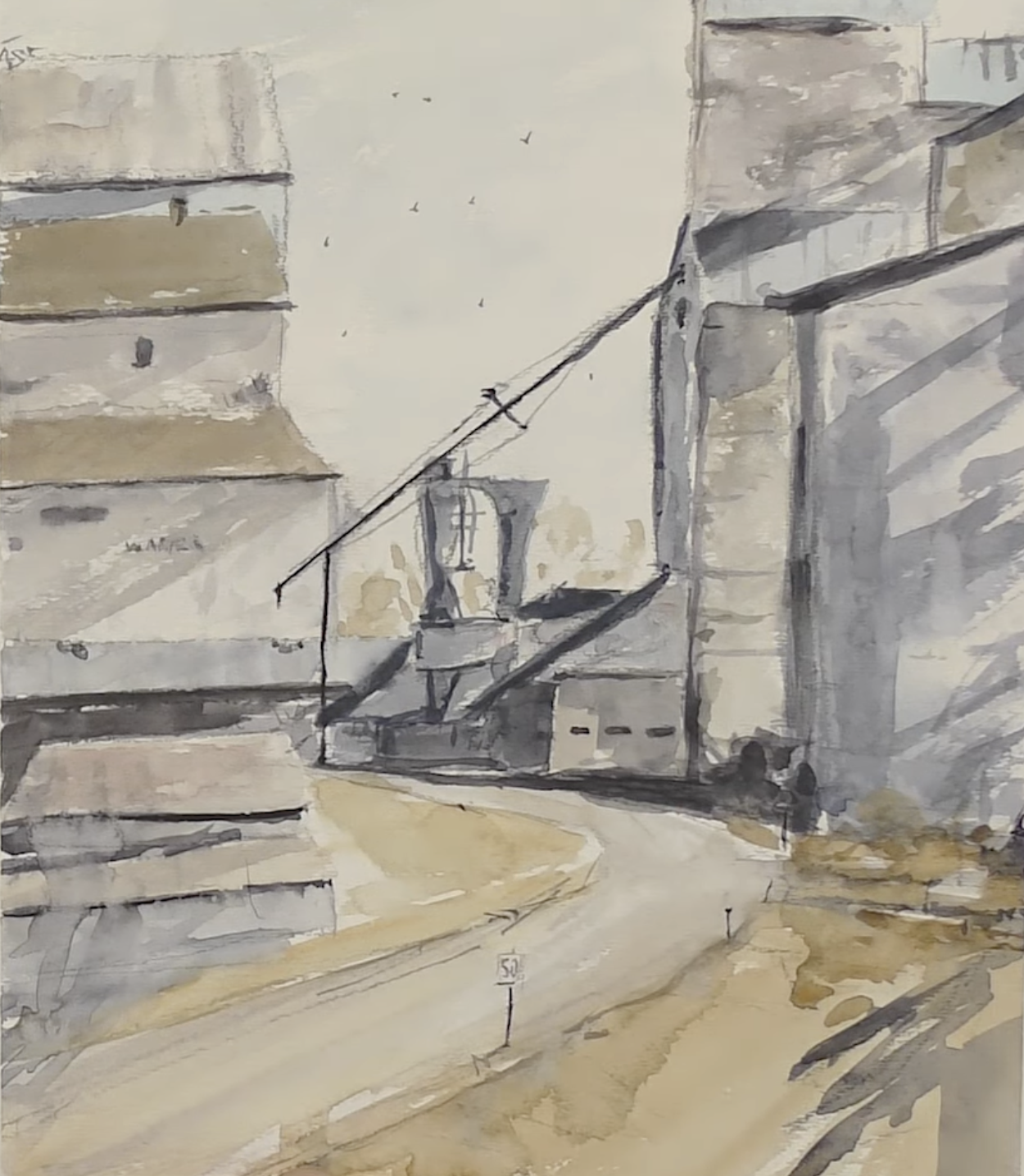
Everything was just kind of in that upper end light area of the lighter side of the value range. And I had to go over things a lot. I just kept going over, creating more and more texture.
And we can solve that if we can really be mindful of the values and ensure that we are painting strong enough.
3. Stop Overworking Your Background.
How we handle the background is key in how our painting is going to turn out.
When we stop and we look at a reference photo or we look at the scene in person, we have to really be mindful in how we handle the background. When I look at a reference photo of say a mountain scene, I can see texture and information all the way to the back of the scene, miles into the distance. I can still make out specific details.
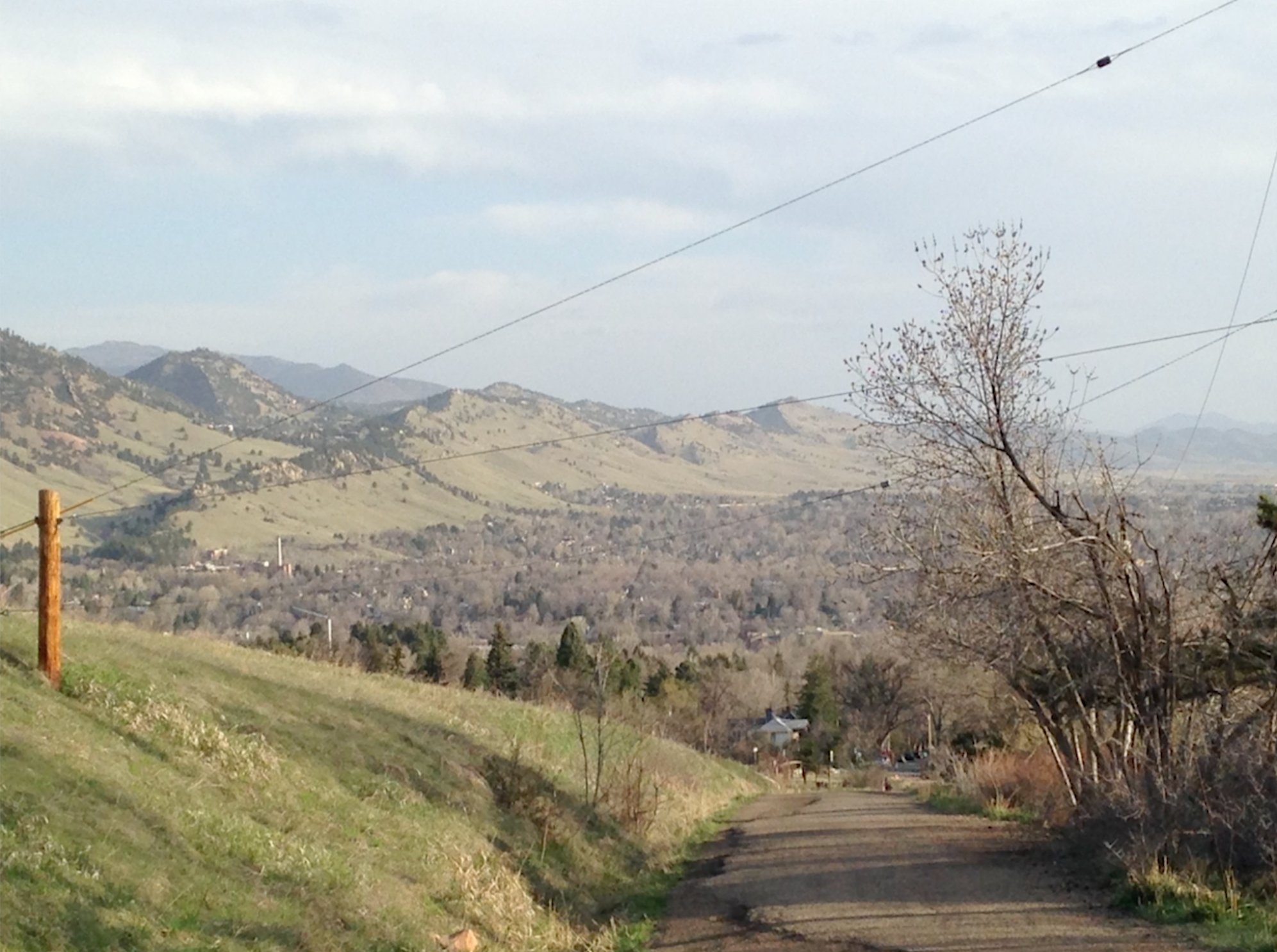
Now, if I choose to include all of that, that is gonna create a very overworked background that is gonna make my painting feel really busy and I'm also gonna lose that sense of depth that I'm really desperately trying to create in my scene. See how much I had to simplify the mountains in the distance in order to achieve the depth I want.
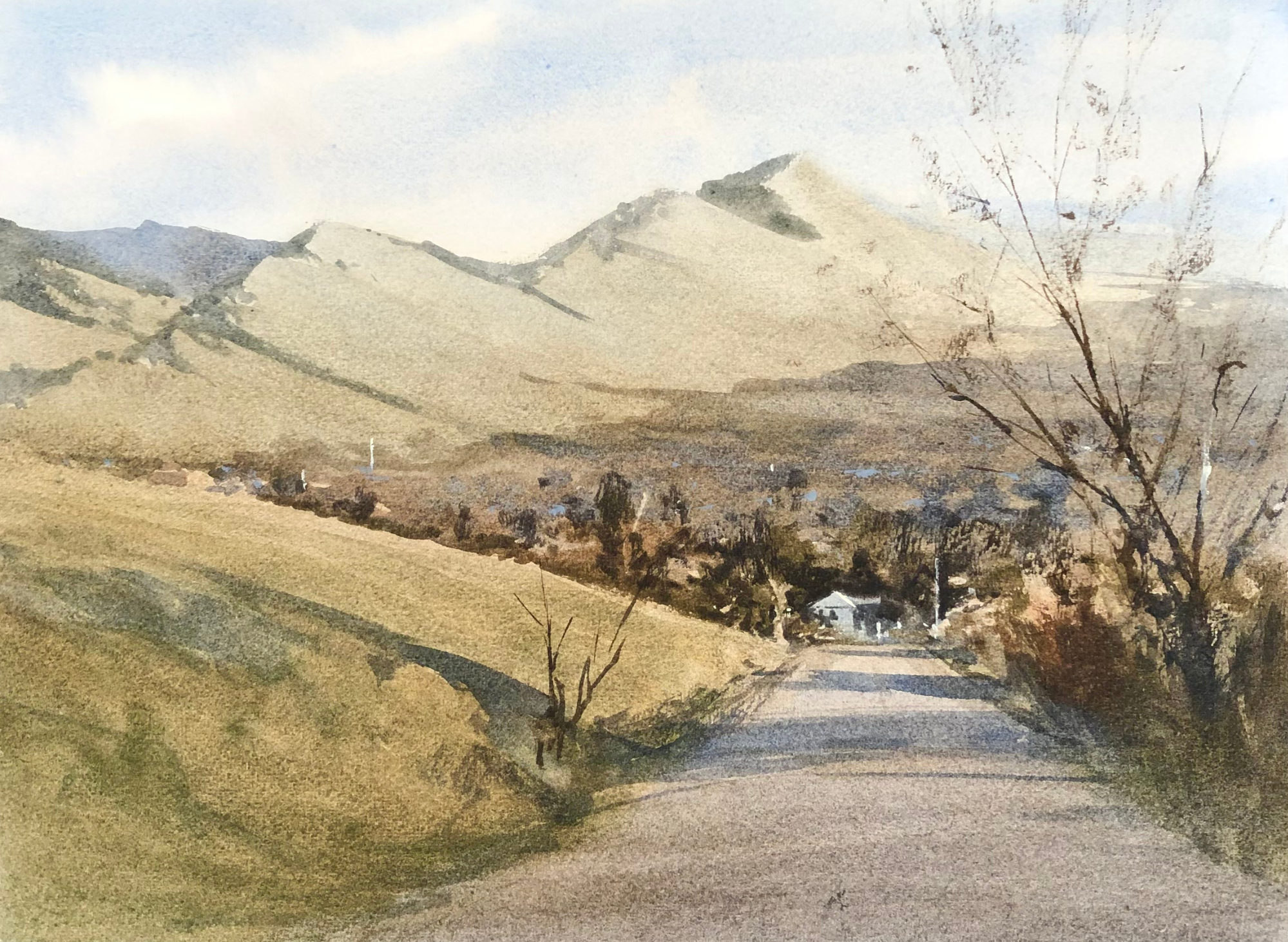
In the reference photo, I can see so much information back there, but I know from a lot of years of failed paintings and from critiquing a lot of students' work, if I was to include all that information in the background, it's not gonna suit the overall scene. It's gonna compete with what's going on in the middle ground and in the foreground. So my advice to you is look at how you handle the backgrounds and ask yourself if you're including too much information.
The more we can simplify the background, cool it down, and push it off into the distance where it needs to be, the more focused, the more refined, and the more fresh that your paintings are going to be.
4. Stop Including Everything in Your Painting.
This advice is related to what I'm saying about the background, but this actually goes for the entire scene.
There are always things in your reference photo that you should just leave out. The more selective that you are, the stronger, the more focused, and the less overworked your paintings are going to be. Now, let me show you an example of this.
I recently returned from a trip to Puerto Rico with my family and I got to walk along the beach. I took this photograph of this special morning walk with my daughter and I wanted to paint it.
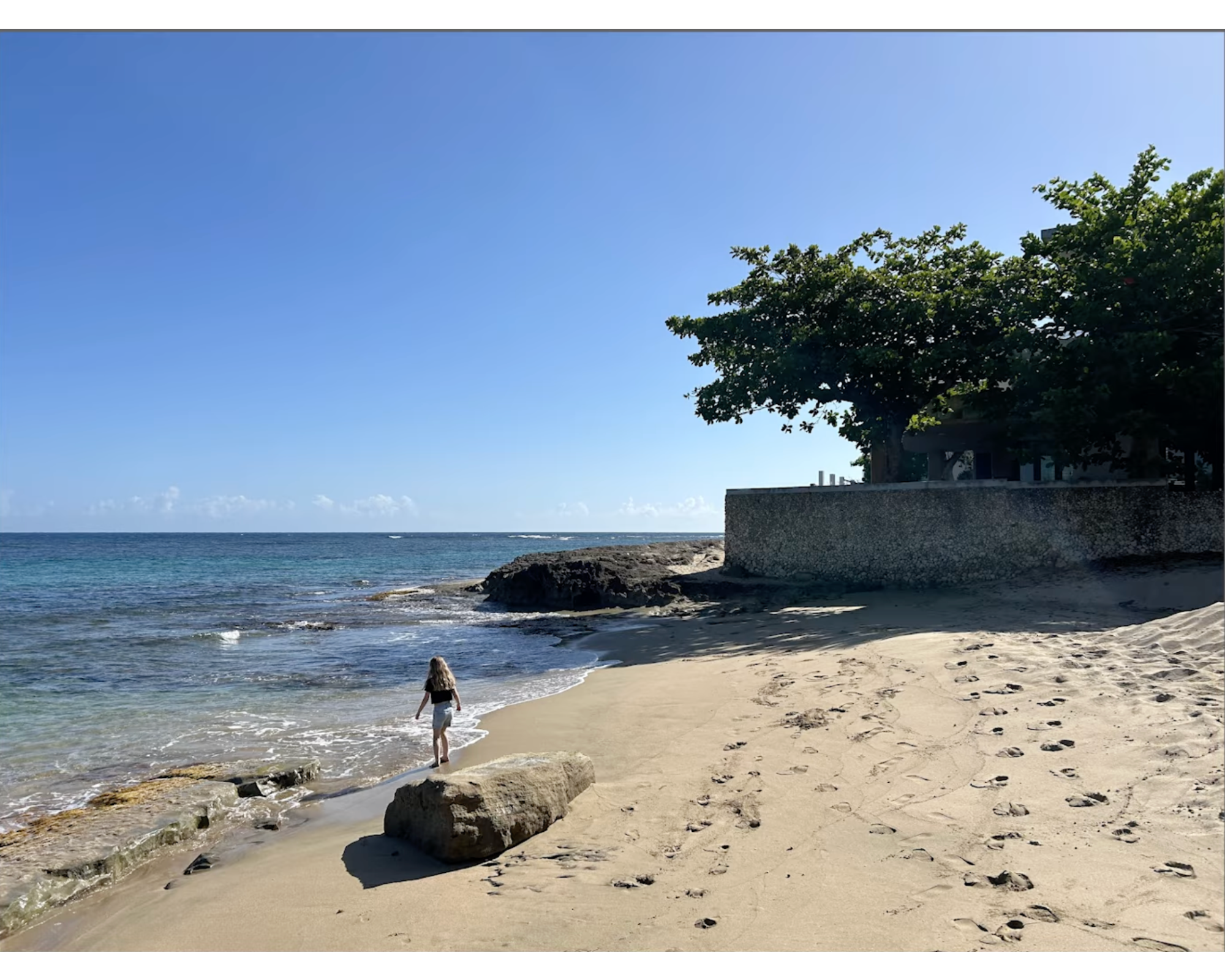
What I decided to do in this scene was to eliminate almost everything except what I wanted to focus on the most.
And that was this nice, quiet moment of my daughter on the beach, looking down in wonder at the waves that were rolling in.
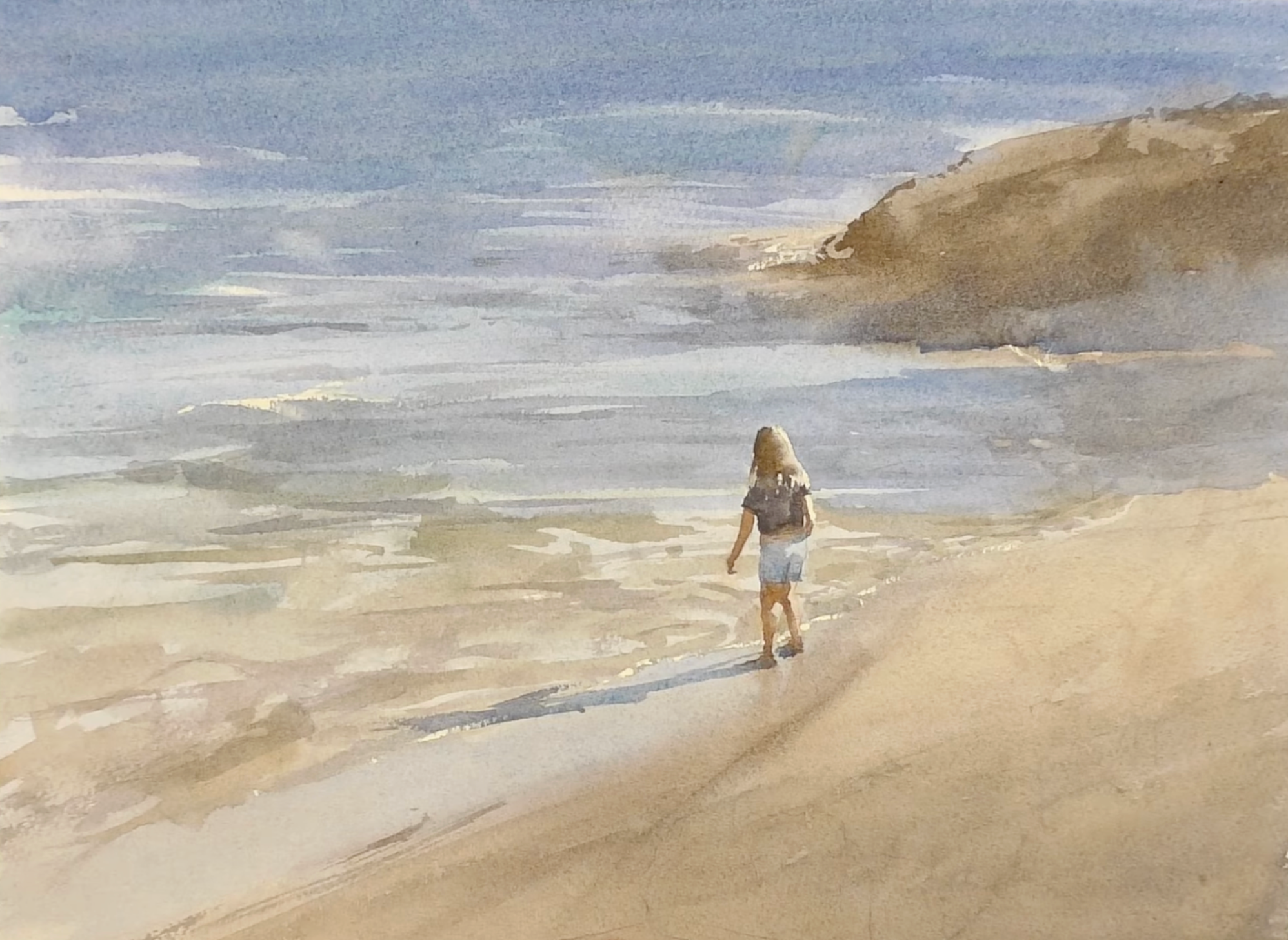
So I had to decide, how do I wanna crop the photo? That's the first thing you need to think about. How do I crop the photo? A lot of students will just take a reference photo and then paint everything that's in it.
The more selective you can be, the stronger of a painting you're going to create. Notice that I zoomed way in and I took out so many of the details. I wanted to zoom in and find the most important part of the scene and just focus on that.
Make everything else as minimal as possible. So you see, I don't even show the sky in this scene. I zoomed it in. We just see the ocean fading off into the distance. It's just a background. And then we have my daughter standing in the middle ground where she has the most contrast. She's in a primary spot as far as the rule of thirds go. She has the brightest light hitting her. She has the darkest contrast on her.
This scene would have been a lot busier and less focused if I'd included all of that other stuff.
So we're not always gonna have a scene that is so focused in on one subject and tightly cropped. But what we can do is we can look at the scenes that we are painting.
We can take out things that don't serve us, that don't add to the painting. We can crop in. The more that you can remove, the more that you can focus, the stronger that your painting is gonna be.
4 Strategies to Support a Focused Painting
So the next time you take on a scene, stop using too small of a brush, stop painting too lightly, stop overworking the background, and stop including everything in your painting.
Be selective, crop, and remove things to create a stronger, simpler composition.
If you can stop doing those four things, I'm confident that you can create stronger, more evocative, and more fresh watercolor paintings.
Related Blogs
How to Finish a Watercolor Painting
A Simple Watercolor Painting Background Tutorial
Watercolor Texture Techniques to Create Stunning Scenes