Use This Simple Mantra For More Brilliant Watercolors
Dec 15, 2025When you're a novice, your attention might go, straight-away, to the most detailed part of a scene. There might be that one thing in the scene you're dying to paint, and that's where you start. In a way, this instinct is right; your details are what will get the most attention when you're finished.
However, the details must not be your primary focus when you begin a painting.
Instead, let me share with you a mantra that helps me as I work through the three distinct phases of my watercolor painting process: "big to small; abstract to detailed."
An Intuitive Painting Process For Improved Paintings
I might be totally stoked to paint the details on a car, the intricacies of a chapel, or the fine marks of a tree, but if my mind is too focused on these tiny details from the outset, I am bound to neglect my composition, depth and the light in the scene.
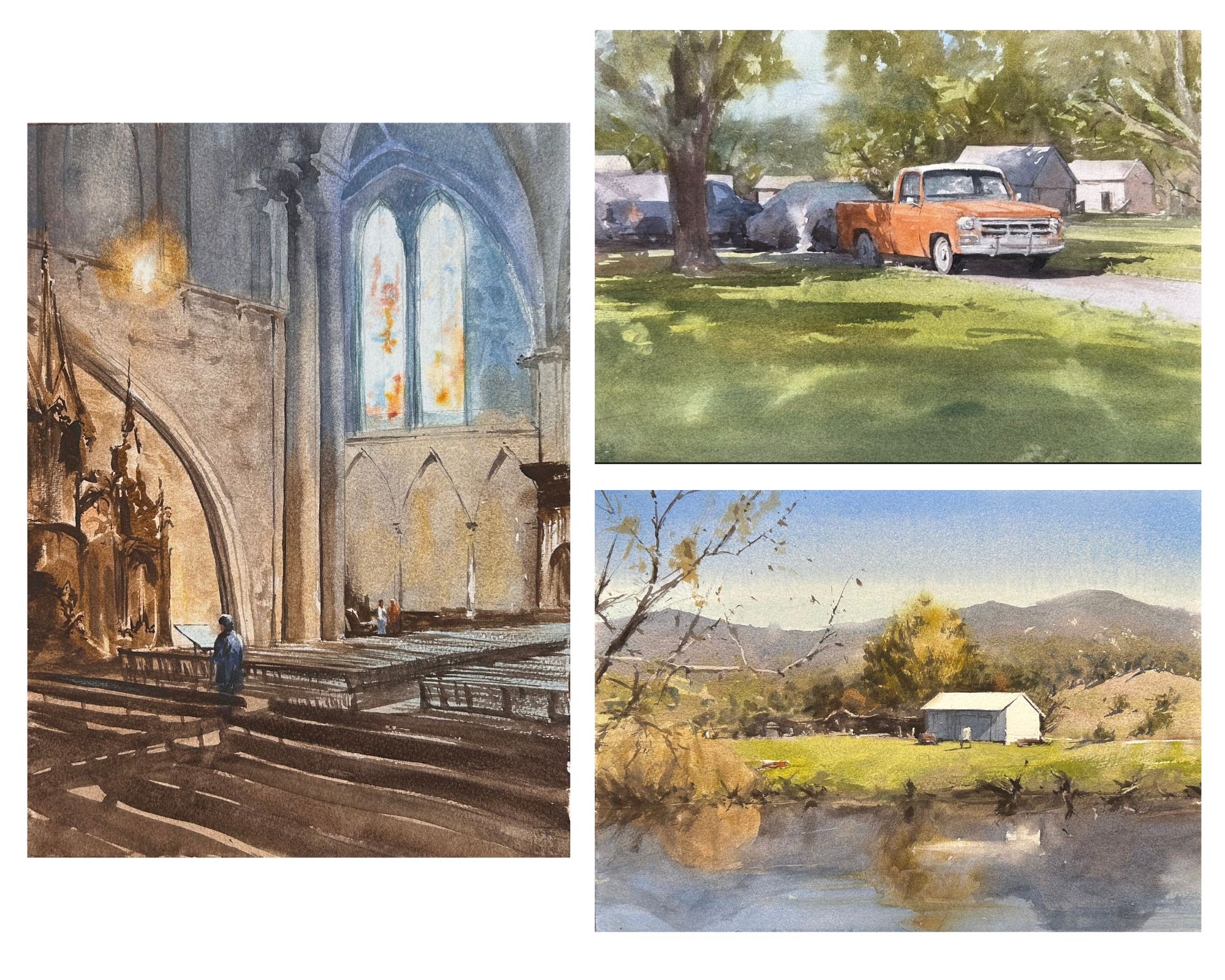
Part of what makes for a successful painting is knowing when to hone in on those details that will steal the show and how to work up to them. Let me show you how I break down this process into three phases that can be summed up with the mantra: "big to small; abstract to detailed."
I'll be using this reference photo as inspiration:
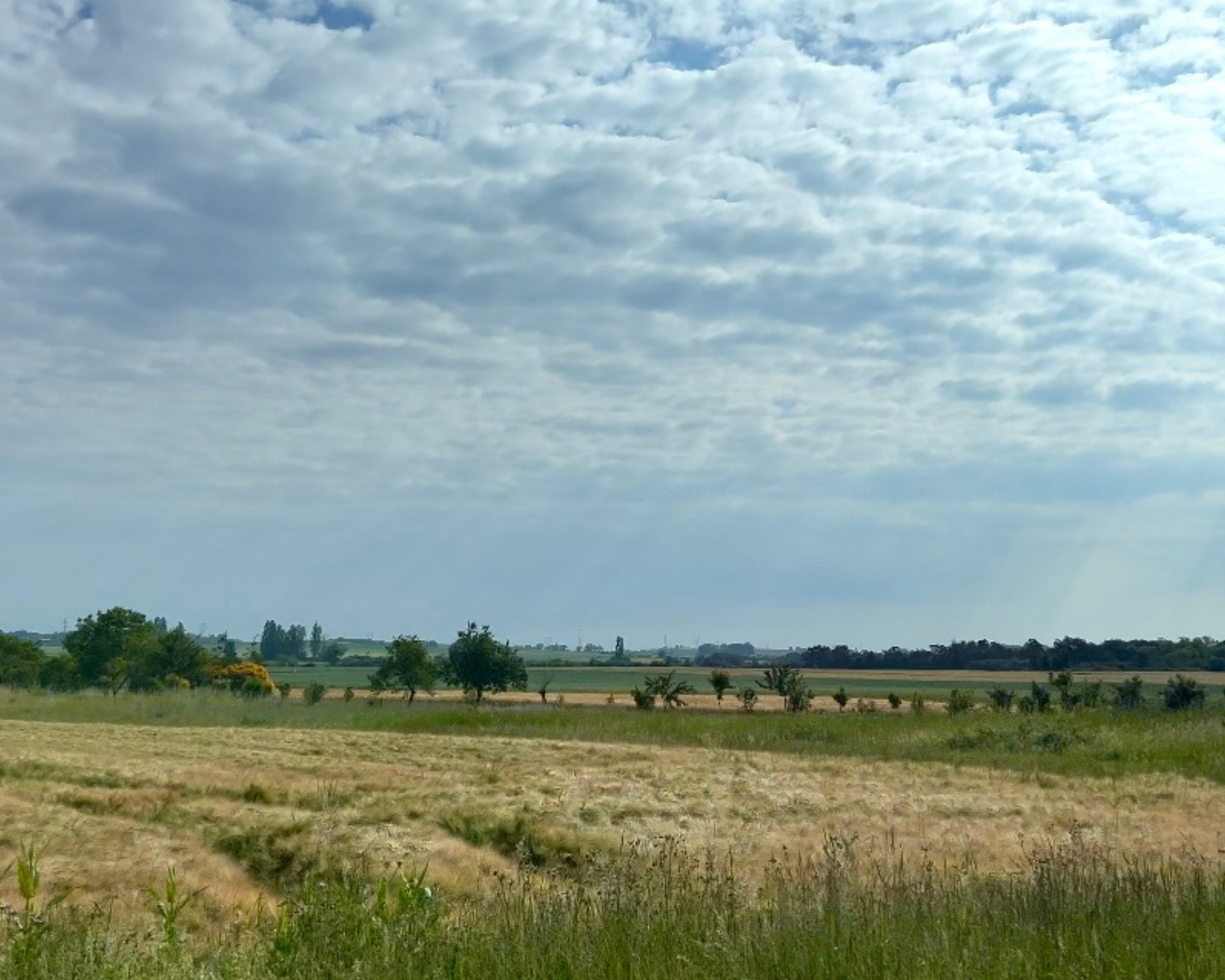
Phase 1 - Light Values, Abstract Shapes
So, as you have likely guessed, the first phase is the most abstract layer which is focused on the "big picture."
In this first wash, I am focused in on light. I'm observing the scene to identify the lightest, brightest parts because this first wash is my chance to achieve these colors on the page. With watercolor, it is very difficult and sometimes impossible to regain these light values later on in the painting, so take this opportunity in your first wash.
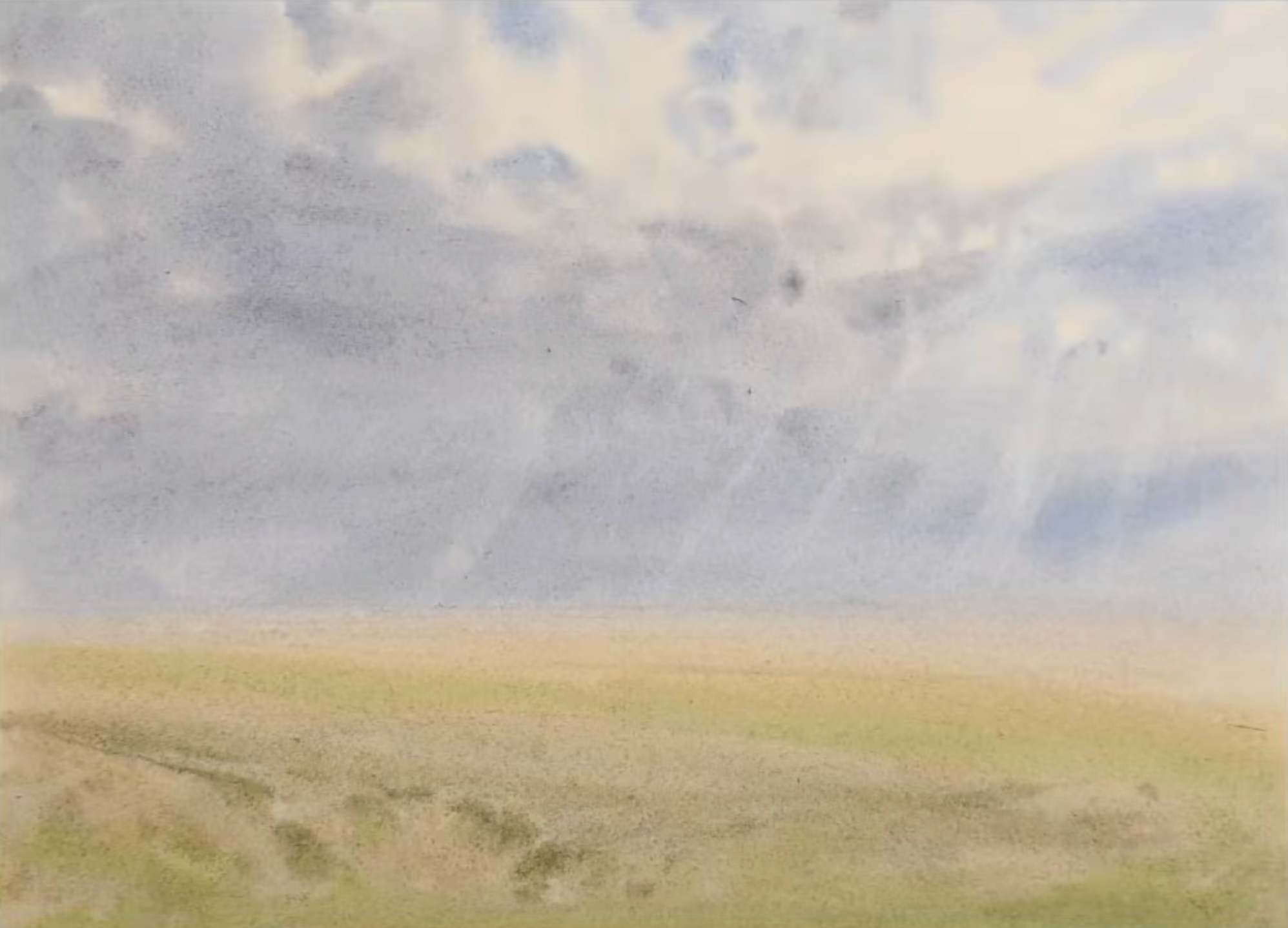
In the spirit of my mantra - 'big to small" - I use a large mop brush to complete this first phase of the painting. Here is one that I recommend.
Phase 2 - Connected Shape
The second phase is still pretty abstract, but we're honing in on those middle values and how they connect in the painting. Notice how I've taken individual tress and swaths of land and connected them as one shape. This is what I mean when I refer to the "connected shape" in my second wash.
In this phase, try not to get bogged down by texture and detail; keep it pretty abstract still. But do think about color temperature. Remember that cool colors recede into the background and warm colors bring subjects forward.
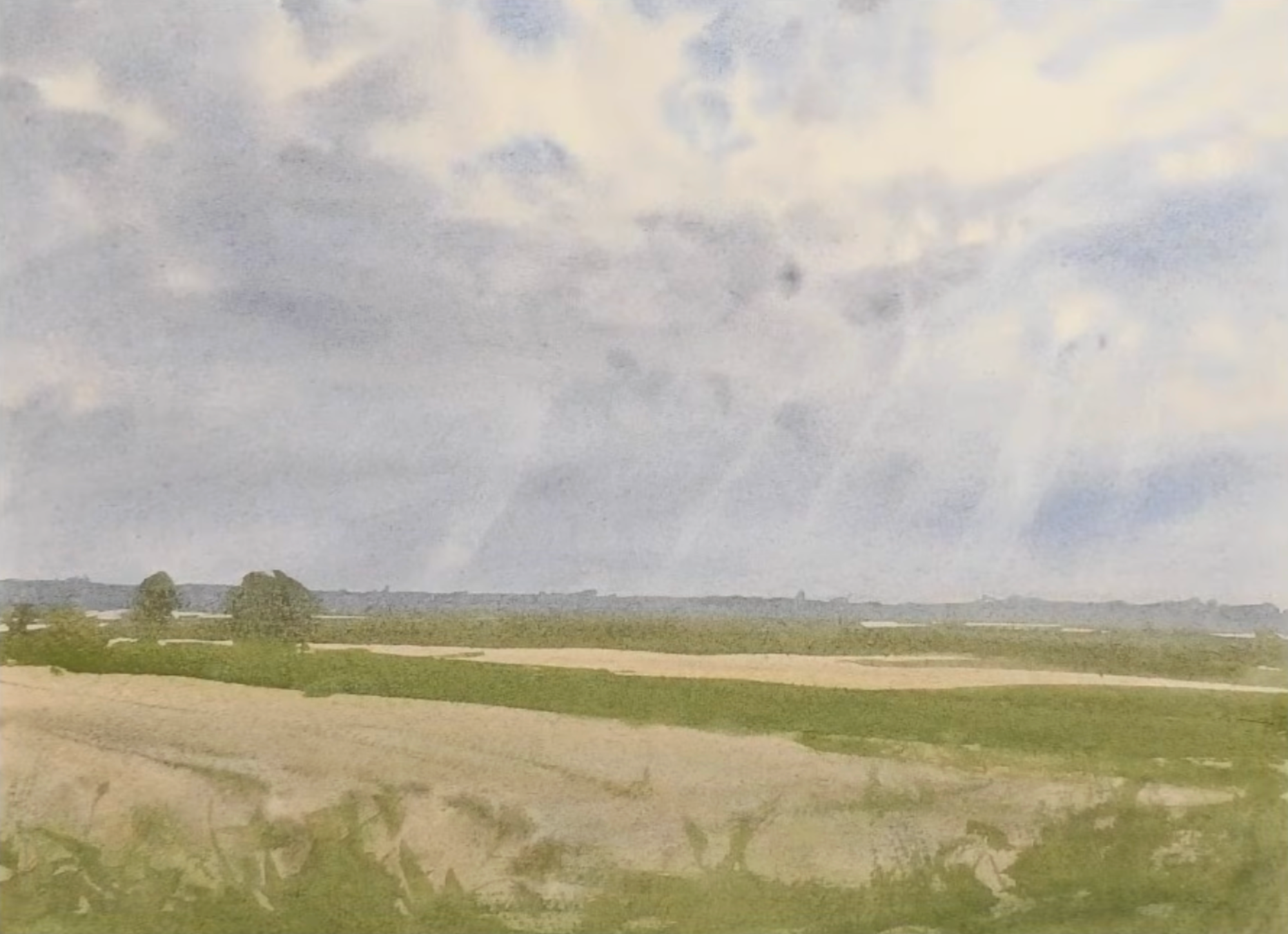
The brush I use for this phase is smaller than in phase one. Here is the one I recommend.
Phase 3 - Finally the Details!
This is your chance now to go into your scene and work on those details that get most of the attention from viewers. Also add the darkest values now, and watch how the wide spectrum of values you've laid down in your first two washes come to life.
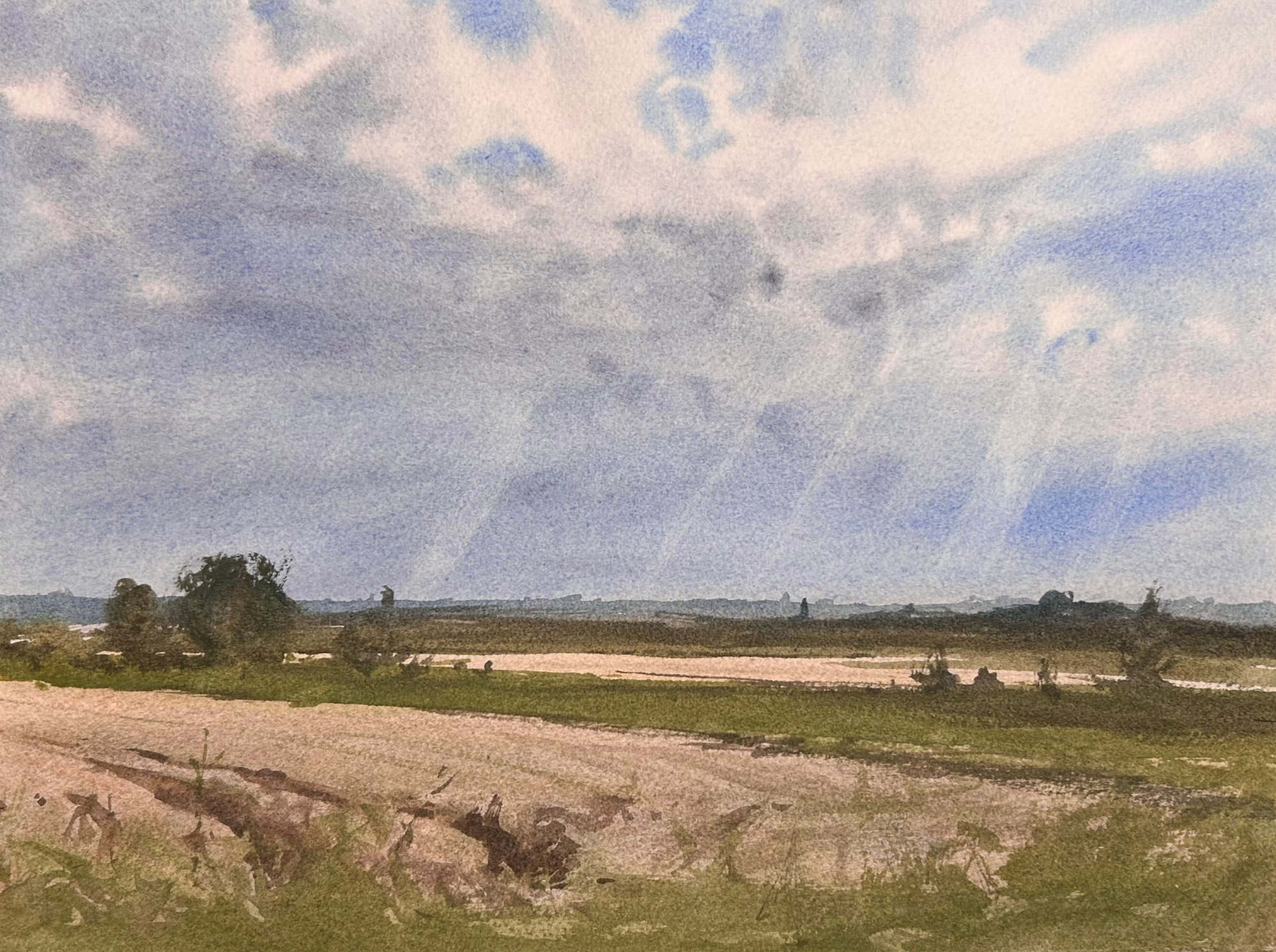
Here are a couple words of advice for the finishing touches on your painting:
- Add these details slowly and step back from your work every now and again to see how they are working with the rest of the painting.
- When you feel like your painting is 90% finished, take a break. When you come back to it, you'll be able to see more clearly what needs to be added - if anything.
- Vary your brush strokes and add texture on subjects you want to bring forward in your painting.
Oh, and in this phase, the brush I use is smaller still.
Big to Small; Abstract to Detailed
I hope this little mantra alongside my watercolor painting process helps you to simplify what can sometimes be an overwhelming process. I'm confident that the more you internalize this process and practice it at your easel, the more compelling scenes you'll paint!
Related Blogs
Layers that will Give You Better Results
3 Watercolor Steps for More Vibrant and Interesting Paintings