My 4 Must Have Watercolor Brushes
Oct 26, 2026Unless you're taking a class or following specific instruction, no one tells you what brushes you need. In the beginning, I remember buying things, trying them out, and just feeling kind of lost and overwhelmed.
Casting about without direction about supples makes the important part - the actual painting - more stressful than it needs to be.
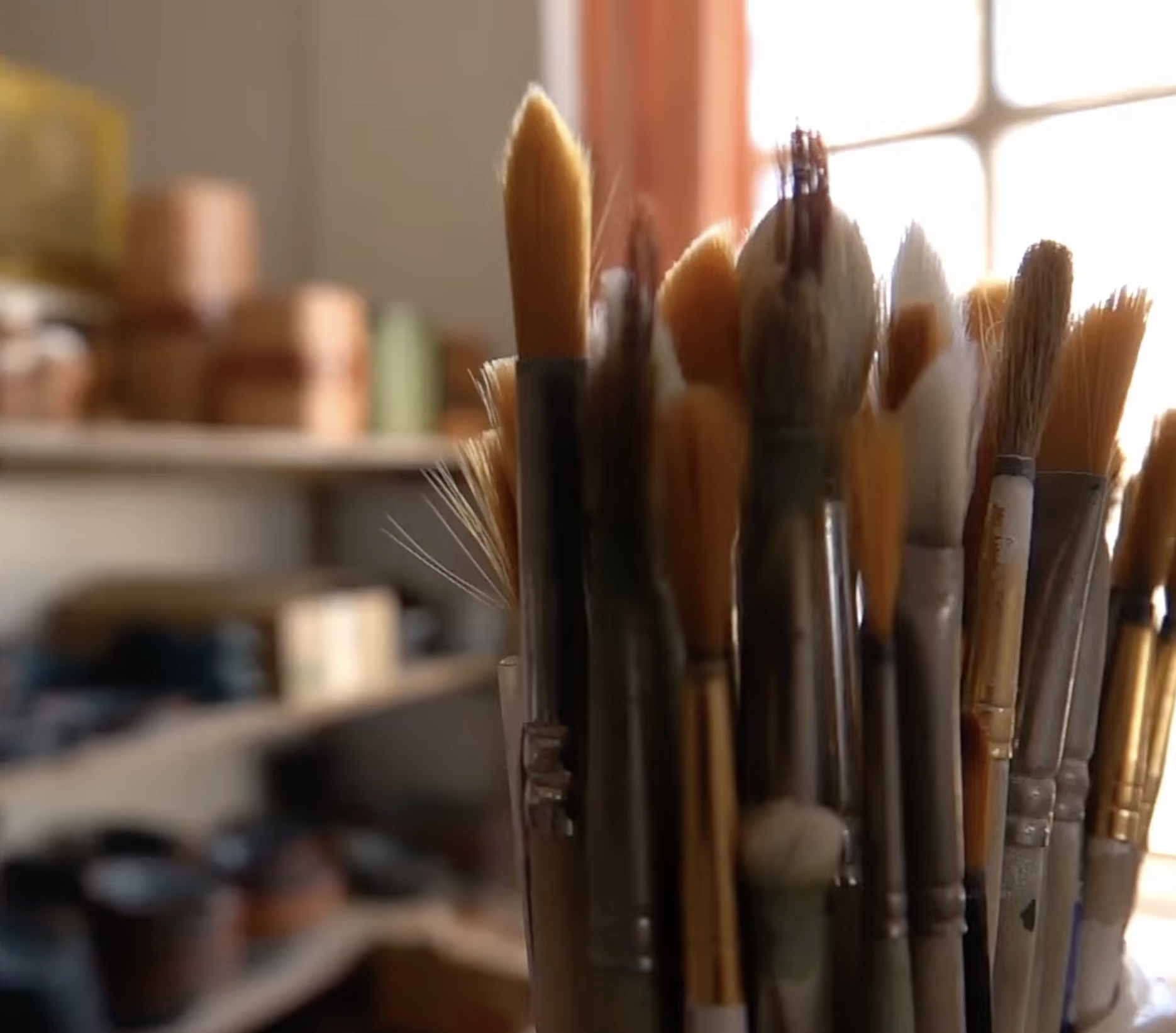
There are so many options for brushes. But how do you know what brushes you actually need?
Well, today I'm going to show you my four essential watercolor brushes. I show you what each of them do specifically and how I use them in an actual painting. This is information that I wish I had when I was starting out and that will hopefully save you a lot of time from having to think about all this through on your own.
The 4 Essential Brushes
In my watercolor process, I like to think from big to small. This goes for the process of painting, but also for the brushes that I use.
Brush #1
After drawing, I cover most of the paper in the light values of the scene. Brush number one is the mop brush, also known as the quill.
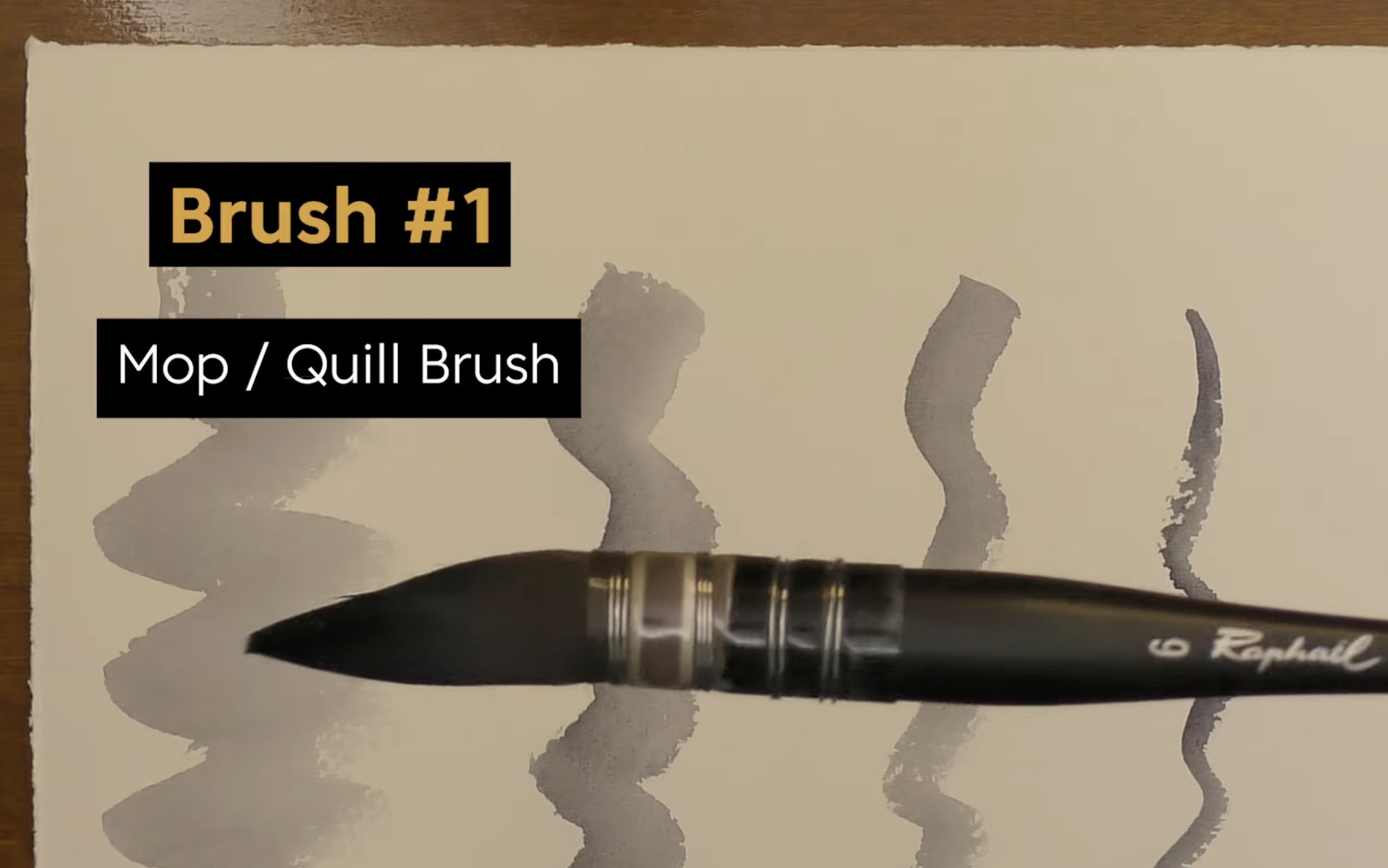
These brushes are the largest brushes that I use. They hold a lot of paint and water and they can easily cover a large portion of the paper. This brush is exactly what I need to lay in all the lightest values of the scene as well as to paint the sky.
Mop brushes can be the most expensive brushes that you purchase because they are largest in size, especially if you're buying a natural hair brush. A more affordable brush is a soft aqua synthetic mop.
By the way, if you have questions about watercolor supplies, take a look at my free watercolor supplies guide.
Brush #2
The next brush that is essential in my process is the medium-sized round brush. This is used for the large shapes of the scene. In phase one, we're laying in all the light. And in phase two, we're painting over that and creating the large middle value shape of the scene. It's this large shape that really holds the painting together. In painting the middle values, you want a brush that is not too small and can hold a good amount of paint and water, but you need more control here than what you had with the mop brush.
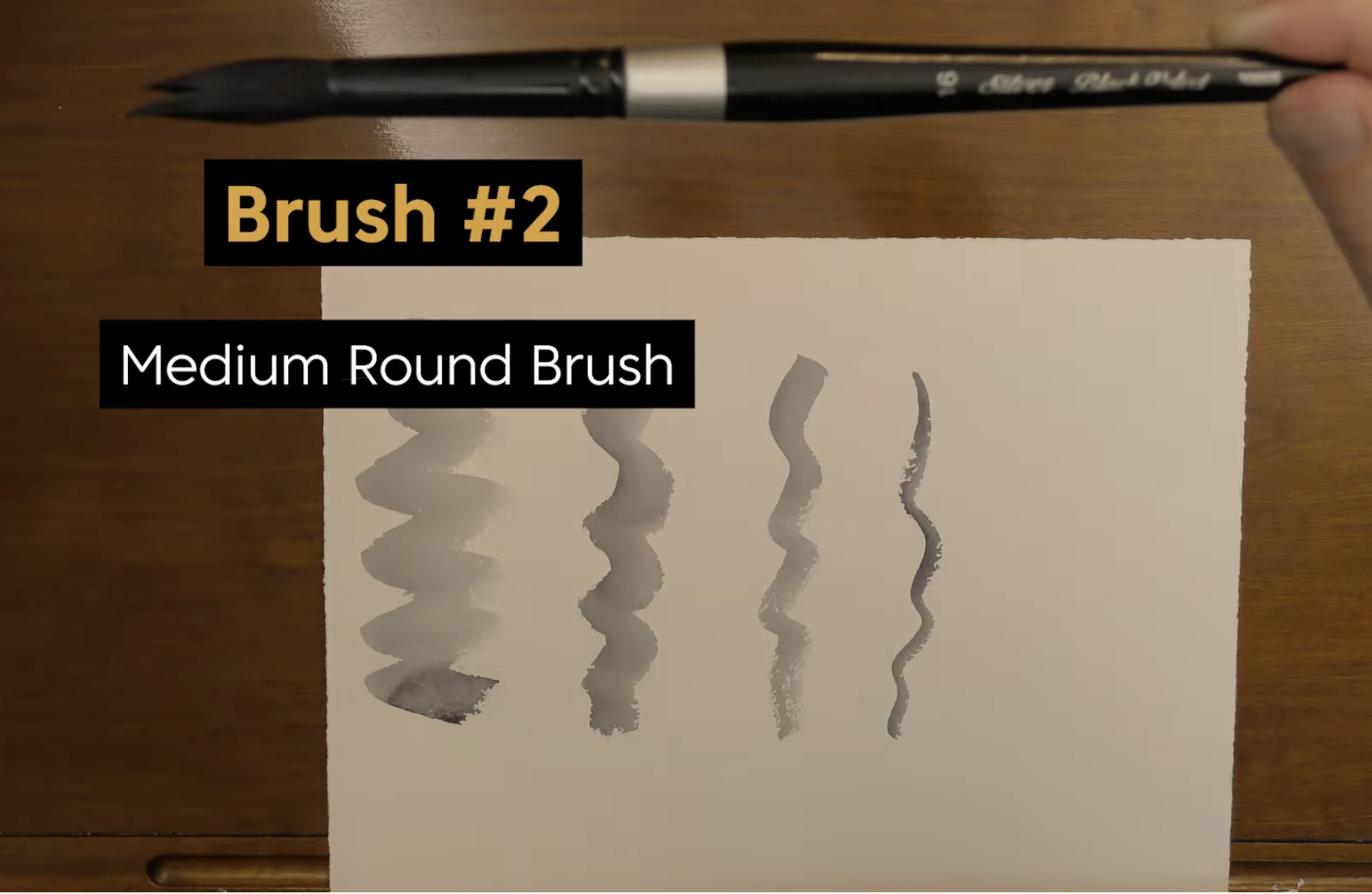
If you use too small of a brush in this phase, you'll have to reload the brush often and you'll lose that wet edge that you're trying to work from. Plus, things look really labored over when we use too small of a brush and we need a lot of brush strokes to create a shape. I like silver black velvet brushes. I use a size 14 and 16. These are quality and they are reasonably priced.
Brush #3
After the lights and the middle values are in place, then we need a smaller brush to add in the darks and the details of the scene. You want something in this phase that has a good point to it. We need control in this part of the process and the ability to make smaller, more exact marks. I love the Escoda Pearl brushes.
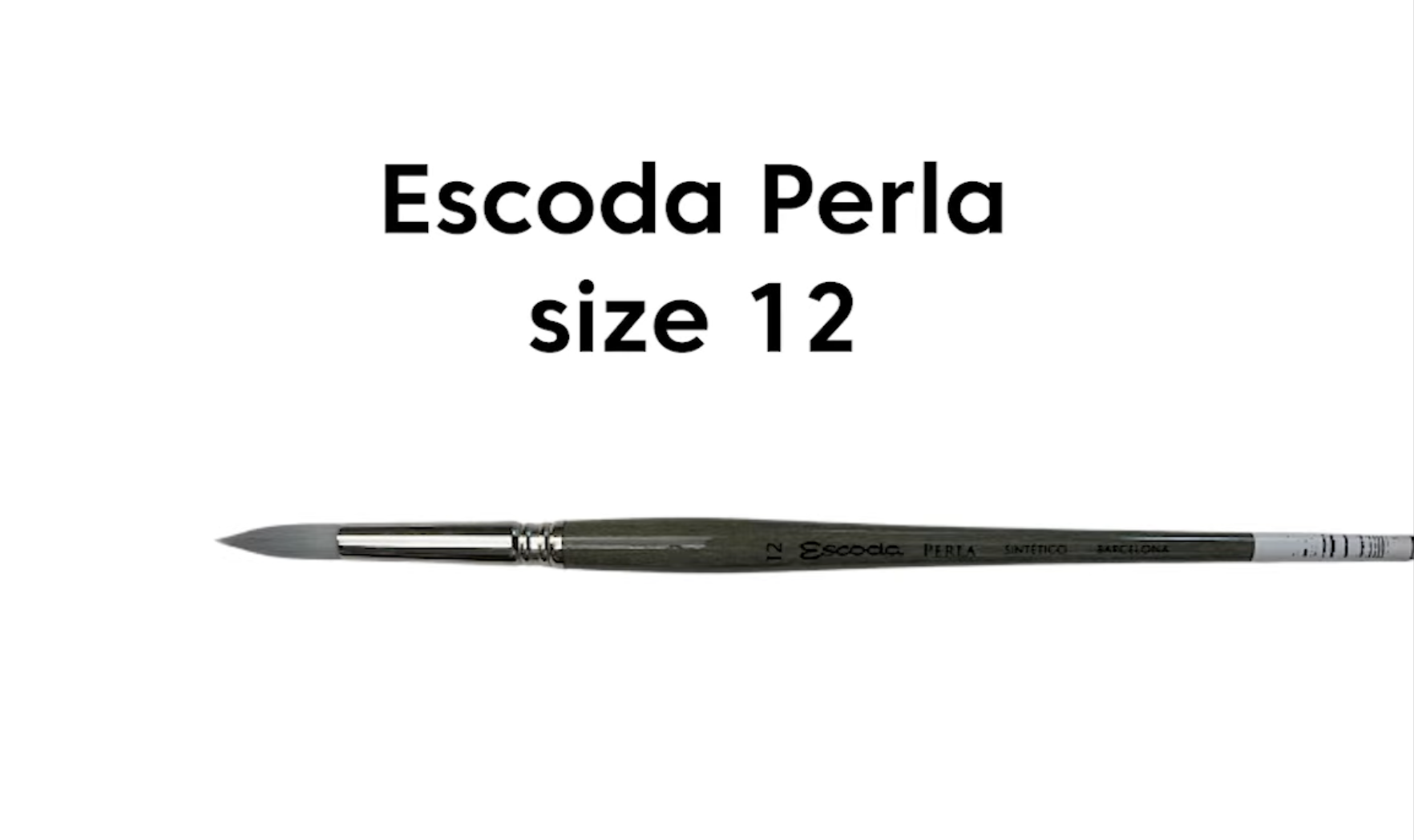
These are durable and they have a great point on them. I use a size 12. This is a fun part of the process when we are adding in the darks which are really helping the light become apparent in the scene. We also get to start painting the details. This is what beginners want to paint from the start, but we must build up the scene to this point and not rush in to add all these small little bits.
Brush #4
We've moved from my largest brush to a middle round brush and now to a smaller brush with a point. We have one more brush to go and that is a rigger brush.
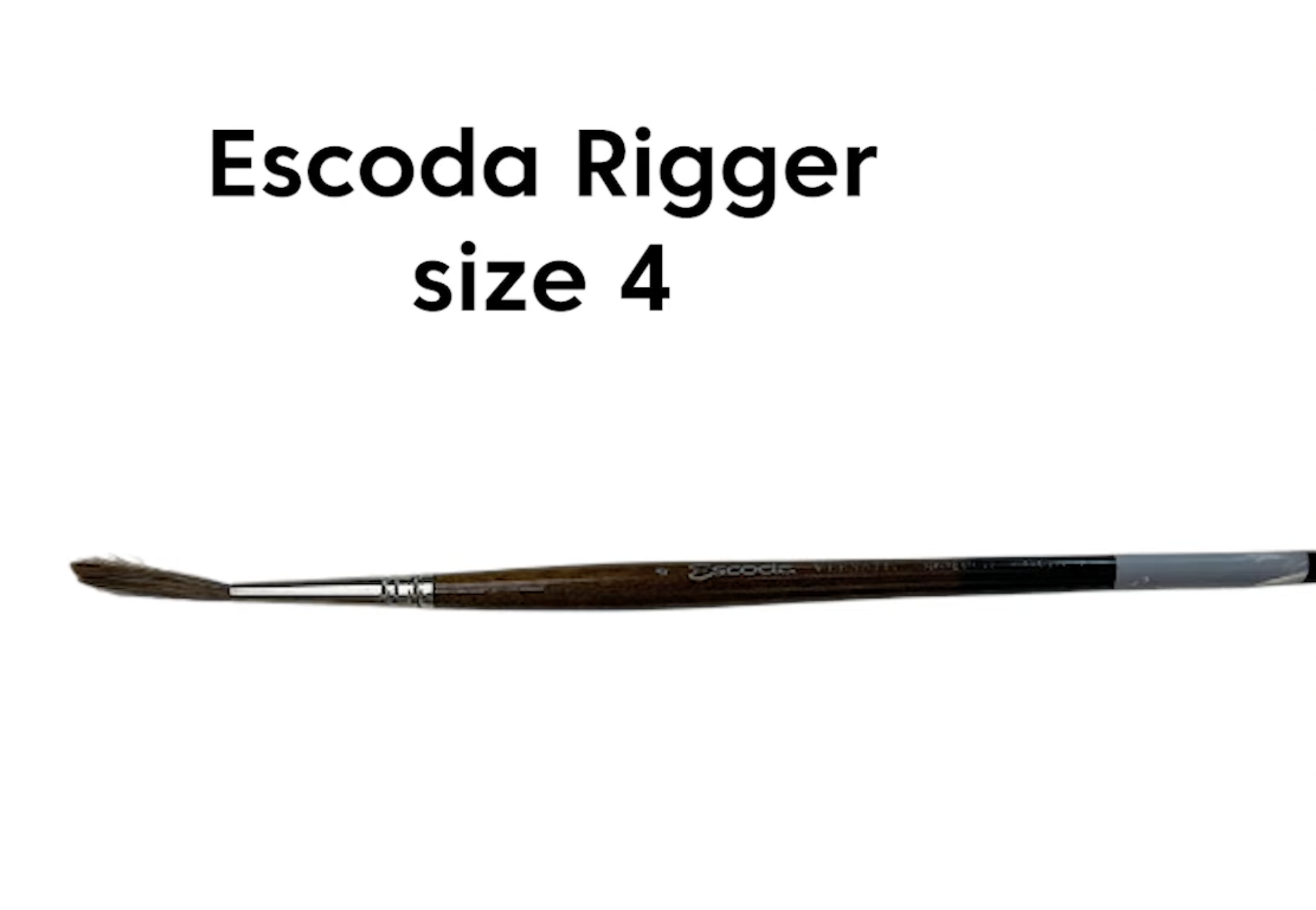
The rigger brush is the smallest brush that I use and I often use it at the end of the process for small details and directional lines. One thing you will discover when you paint long enough is that a variety of shapes and sizes really help out your painting. This helps increase the visual interest of the scene and it also adds some energy into the painting.
Where Can I Purchase These Brushes?
Did you know that you can buy supplies while simultaneously supporting me as an artist?
I am now an affiliate with Blick Artist Materials, and you can find supplies you need while supporting me (with no extra cost to you).
Related Blogs
Are You Using The Wrong Watercolor Palette?
The Only Watercolor Brushes You Need for Professional Paintings