Your Old Watercolor Paintings Hold the Secrets to Mastery
Aug 03, 2026Don't Throw Your Old Paintings Away!
When you are learning watercolor, the more paintings that you do, the more mileage you get on your brushes, the better handle you get on things like timing and values and drawing and all these crucial things that we need to learn to keep improving.
But one thing that happens that no one really talks about is you accumulate a lot of paintings that you don't know what to do with.
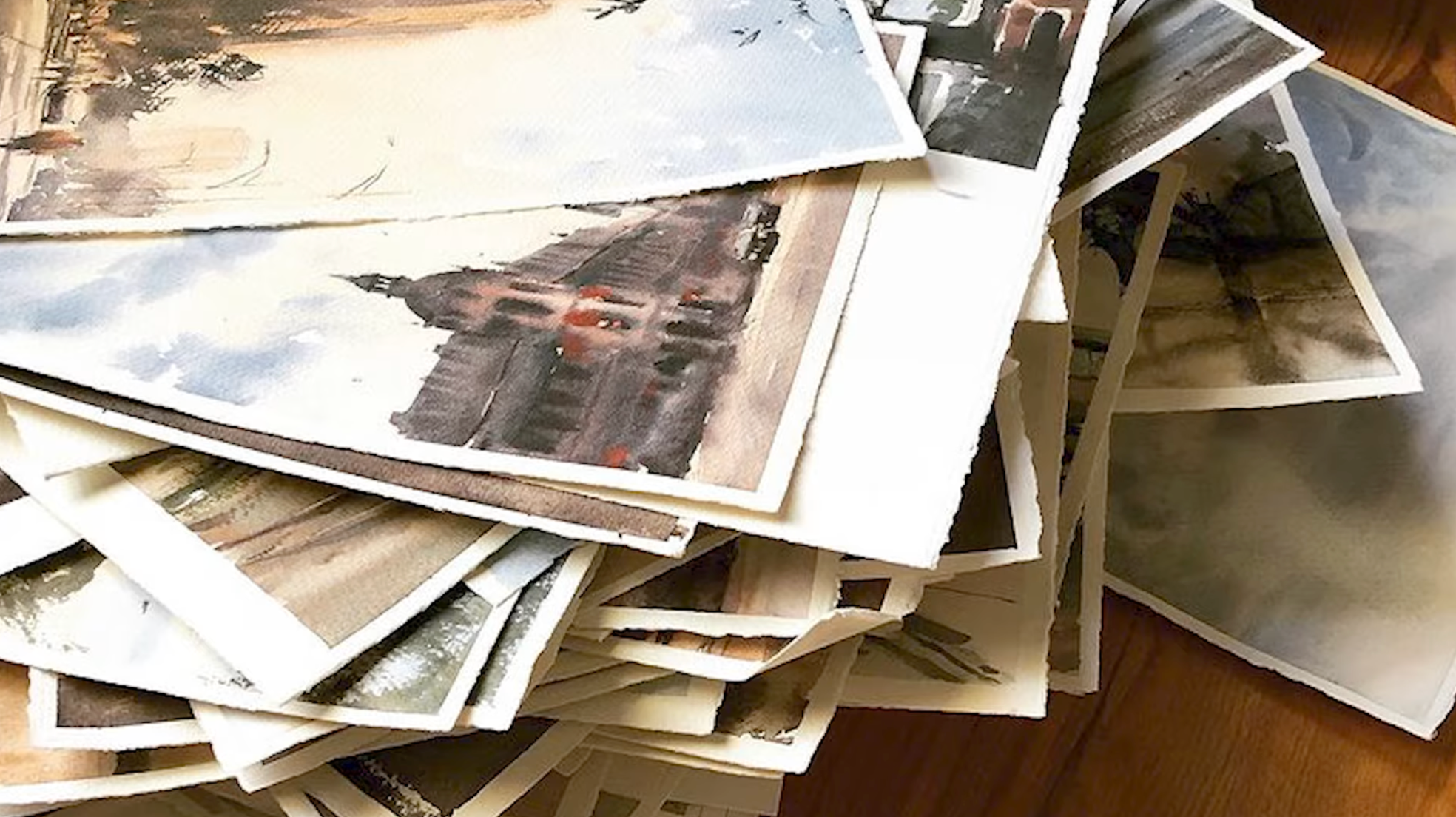
Now, sometimes I'll just use the back of a discarded painting for scrap paper, a value study, or practice on specific skills, but I rarely throw them away. It's tempting for some students when they finish a painting that they aren't particularly happy with to just get rid of it.
But today I'm going to talk to you about the hidden resource that these paintings actually are.
Old Work Can Inspire New
Occasionally, you will look back at some older paintings and you will see one that was better than you remember. Maybe you were really hard on it at the time, but there's something there that sparks new creativity and life within your painting.
Maybe there's an older scene that you want to try again. We are not the same painters that we were just a couple years ago or five years ago or ten years ago. We see things differently and we're always learning new things and processing things differently. It can be interesting to apply your new skills and knowledge to a subject you painted in the past.
Maybe you'll find an old scene that either you would want touch up. Looking back at your old work can spawn new creativity, new work, new optimism in your painting journey.
Use Your Old Paintings as a Record of Progress
With everyone continually posting their highlight reel on social media - the best work that they've created - it's really easy to start feeling negative about your own work and to really get caught comparing yourself to other artists. Perhaps you're even comparing yourself to artists that have been painting 20 years longer than you have. That's not a fair place to put yourself, but it's only human nature if you see really incredible work to compare it to what you're creating. And this doesn't really leave you in a good place. It can feel very defeating.
So having your old paintings as a record of your progress can be very healthy.
The only measure of your improvement is comparing your new work to your old work. I often put my older paintings side by side with my newer paintings on YouTube and elsewhere. This is a way for me to connect with people that are learning, to show that I am also learning and have struggled with the same things you're struggling with.
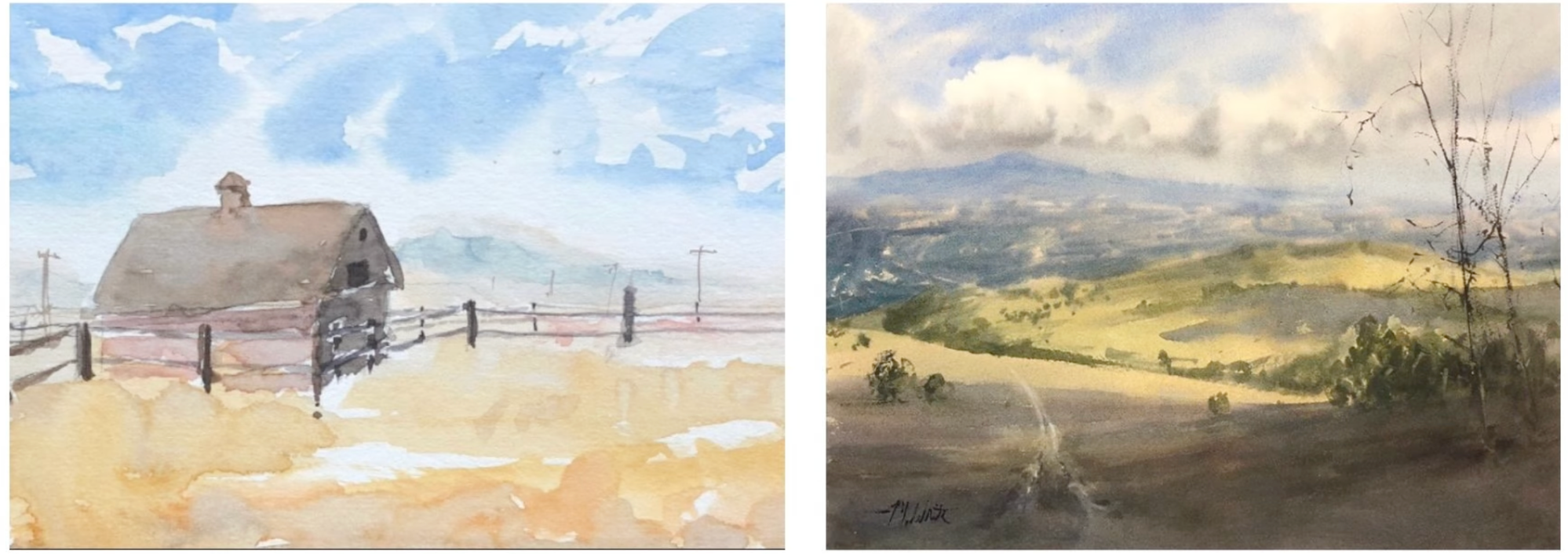
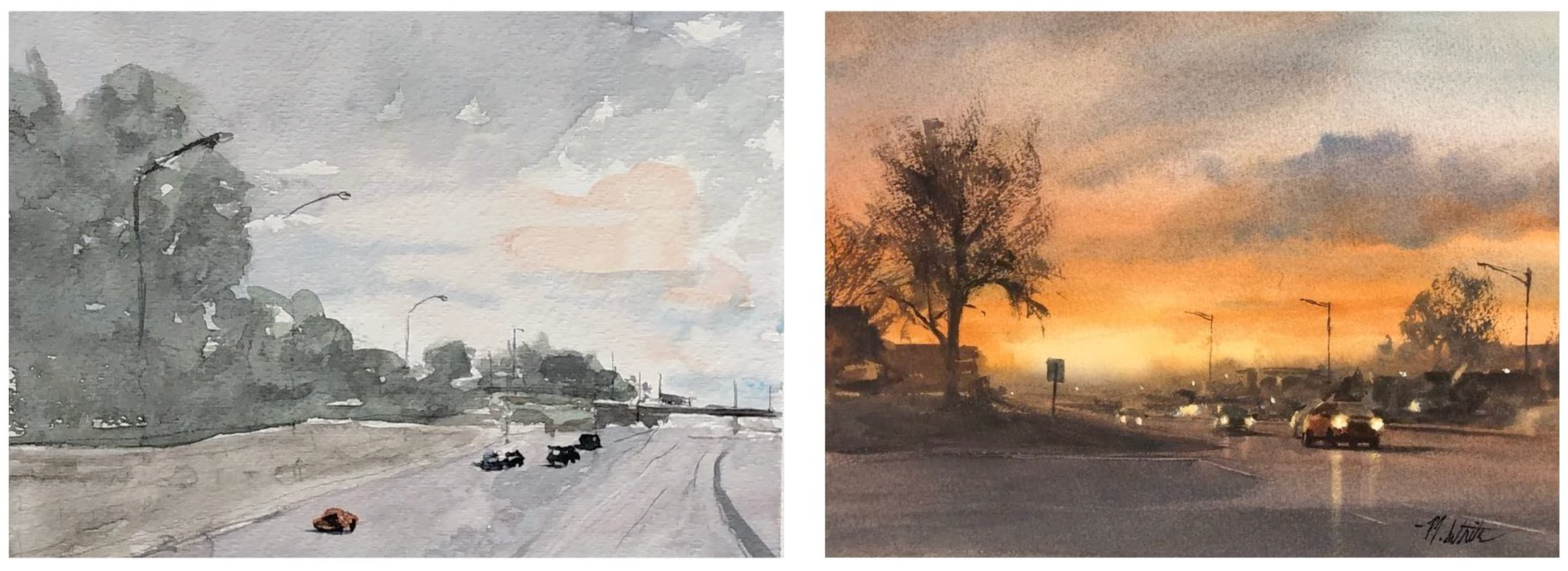
But I don't do this just for you. It's also a good reminder for me that this is where I used to be. You know, the paintings on the left used to be the best paintings I could produce. And it's healthy for me to know that I'm continuing to progress by studying these.
Painting is a solitary, lifelong pursuit. And in this long journey, there are inevitably going to be times when you are struggling, when your growth is plateauing, and when you're feeling frustrated with your progress.
In these moments, it can be helpful to get away from a screen, to get away from social media, YouTube, Instagram, and everything that is pulling your attention. Instead, unplug and to pull out some of your older paintings, to look at the progress that you have made, and to remind yourself that that there will be more progress in the future. What you're feeling now is a very natural part of creativity.
While learning something difficult like painting or playing an instrument, there are inevitably going to be times where you are not feeling the growth and not seeing the progress in your recent work. It's helpful to reach way back into some of your older work to really feel that and see that progress that you have made.
Follow Along As I Spruce Up an Old Painting
I had the great fortune recently of someone buying four of my paintings at the same time and it meant a lot to me, but it also meant that I needed to dig through a whole bunch of paintings to find the ones that they had purchased.
In doing that, I dug through a bunch of my paintings and I found a few that I really thought were pretty good. I'd like to take another look at them and maybe just touch them up a little bit and this is one of those paintings.
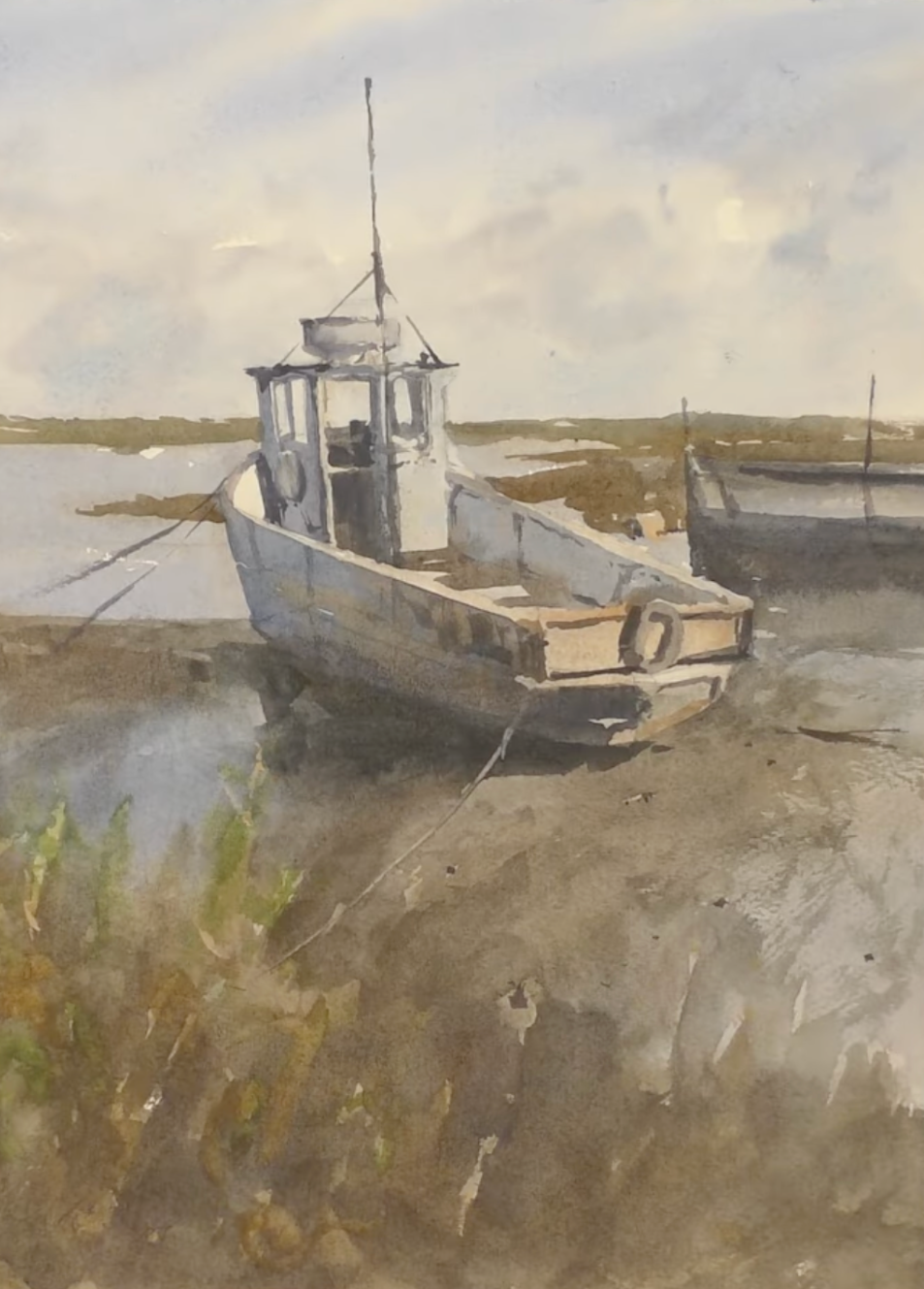
I actually like the light effect quite a bit. The thing that was bugging me about this scene a little bit is the foreground. I felt like I could use just a little bit of finish here to make sense of this.
First, I'm going to take some gouache. This is some ivory white Holbein gouache and I just added a few little highlights in certain places where I feel like it's needed.
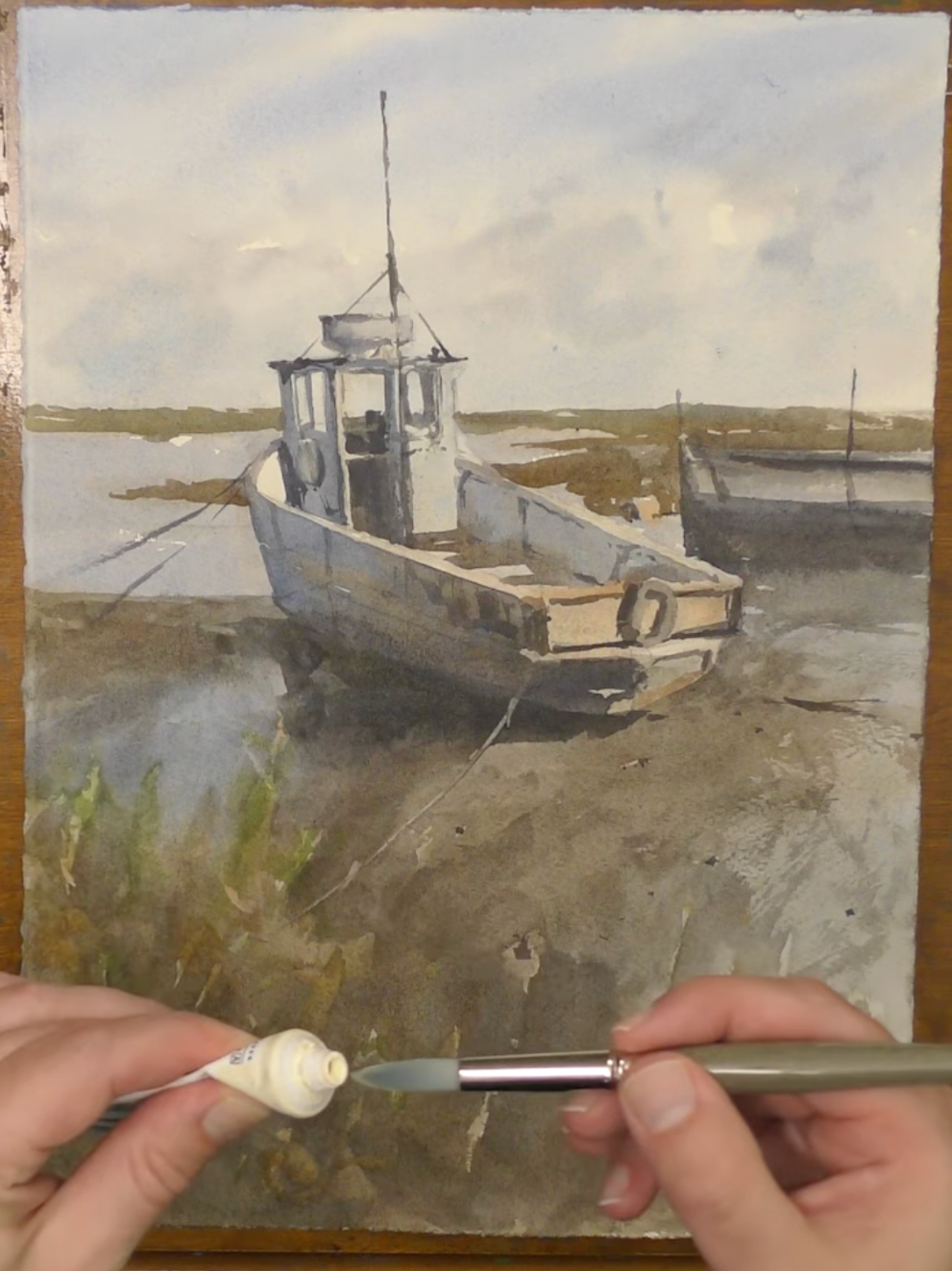
Now that I've added those highlights in, I'm going to add just a little bit more dark in the foreground.
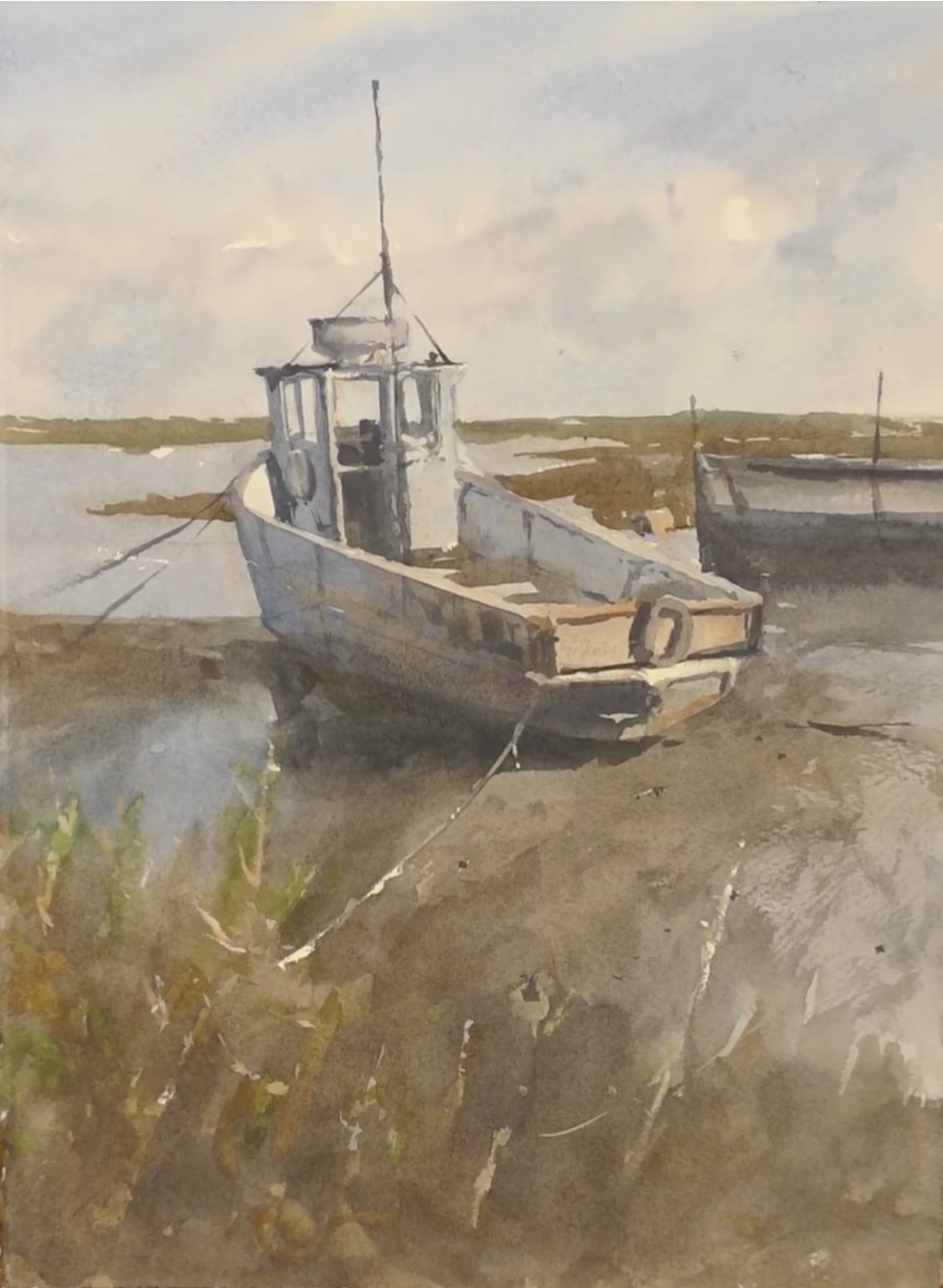
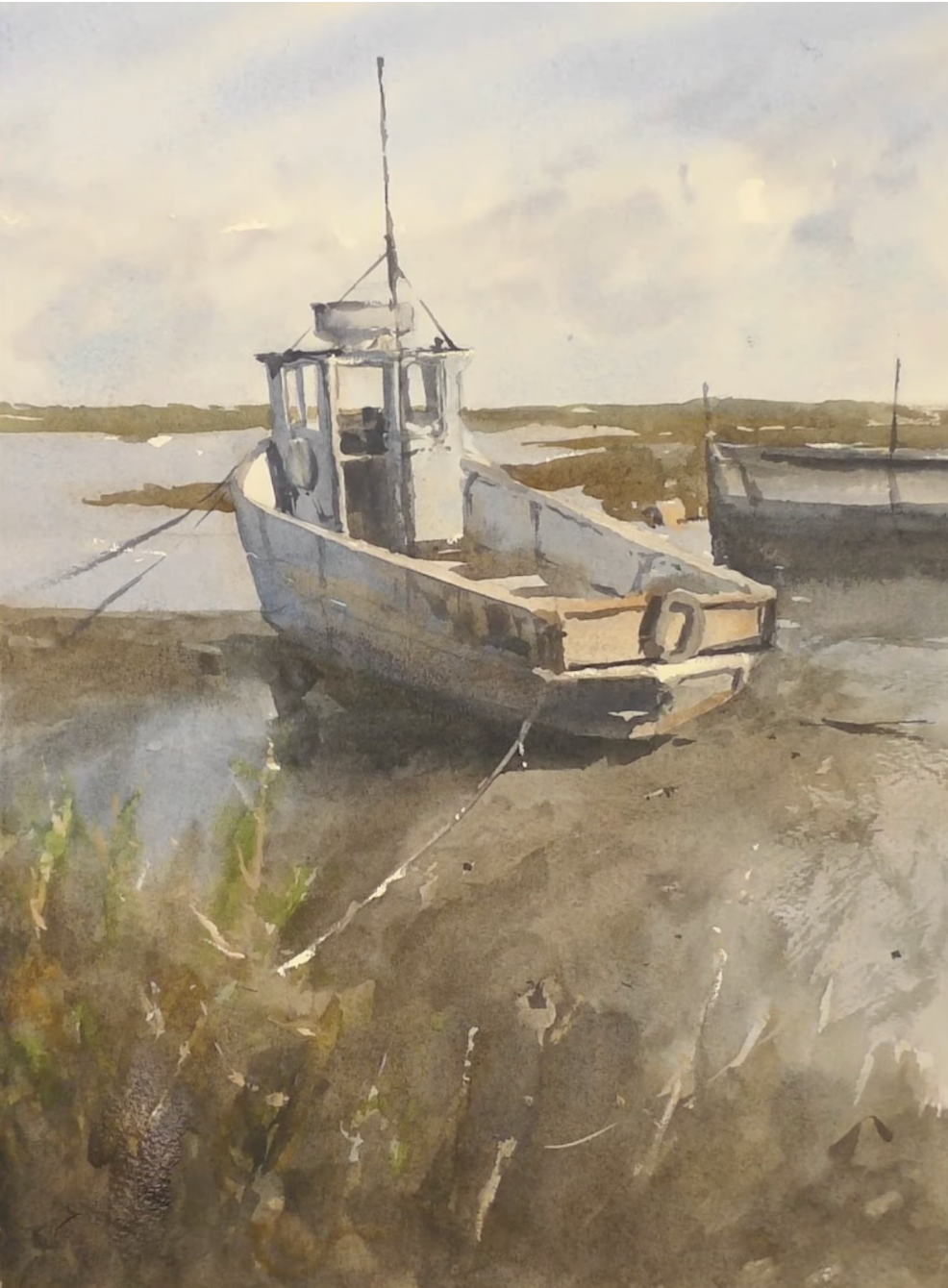
Those are pretty minor changes, but I feel like this is a definite improvement. I put a little bit more life into this older painting that otherwise would have languished in the pile under my desk.
Look Back to See Past Growth and Inspire Future Growth
So I'm here to tell you: you don't need to keep everything that you ever paint. Eventually you run out of space and you have to get rid of some work, but don't throw away everything. Hang on to as much work as you can. Looking through that can show you the progress that you've made and can point you into the future.
As you continue to work and grow and improve, don't forget about all of those old paintings that showcase all of those small steps that you made along the way to get where you are now.
Related Blogs
What I've Learned From 10 Years Of Watercolor Painting
Improve as a Watercolor Artist with These Strategies
Lessons To Be Learned From My First Painting